For investors
House Hacking: Which of the Four Models Fits You
House hacking has four models: a duplex, a small multifamily, renting rooms in your home, or a VA loan. Here is how they compare on rent lift, room turns and fees.
Key takeaways
- House hacking has four models: living in a duplex, buying a small multifamily, renting rooms in your current home, or using a VA loan for 2-4 units.
- Renting rooms by the bedroom in a house you already own requires no new loan and usually beats buying a duplex on cash flow per dollar invested.
- A duplex gives you two leases, while a fourplex quadruples your management load with four separate tenant turnovers and maintenance requests.
- PadSplit charges an 8% monthly fee plus the first 10 days of new bookings, while CoRent.AI takes a flat 5% with no booking fees.
- If renting by the room does not beat your whole-house rent by at least 30%, the extra management load is not paying you.
House hacking has four working models: a duplex you live in one side of, a small multifamily, renting rooms in your existing single-family home, and a VA-loan strategy for military buyers. This guide compares all four on rent lift, room turns, and fees, then scores whether house hacking is worth it for your specific property.
What does house hacking mean, exactly?
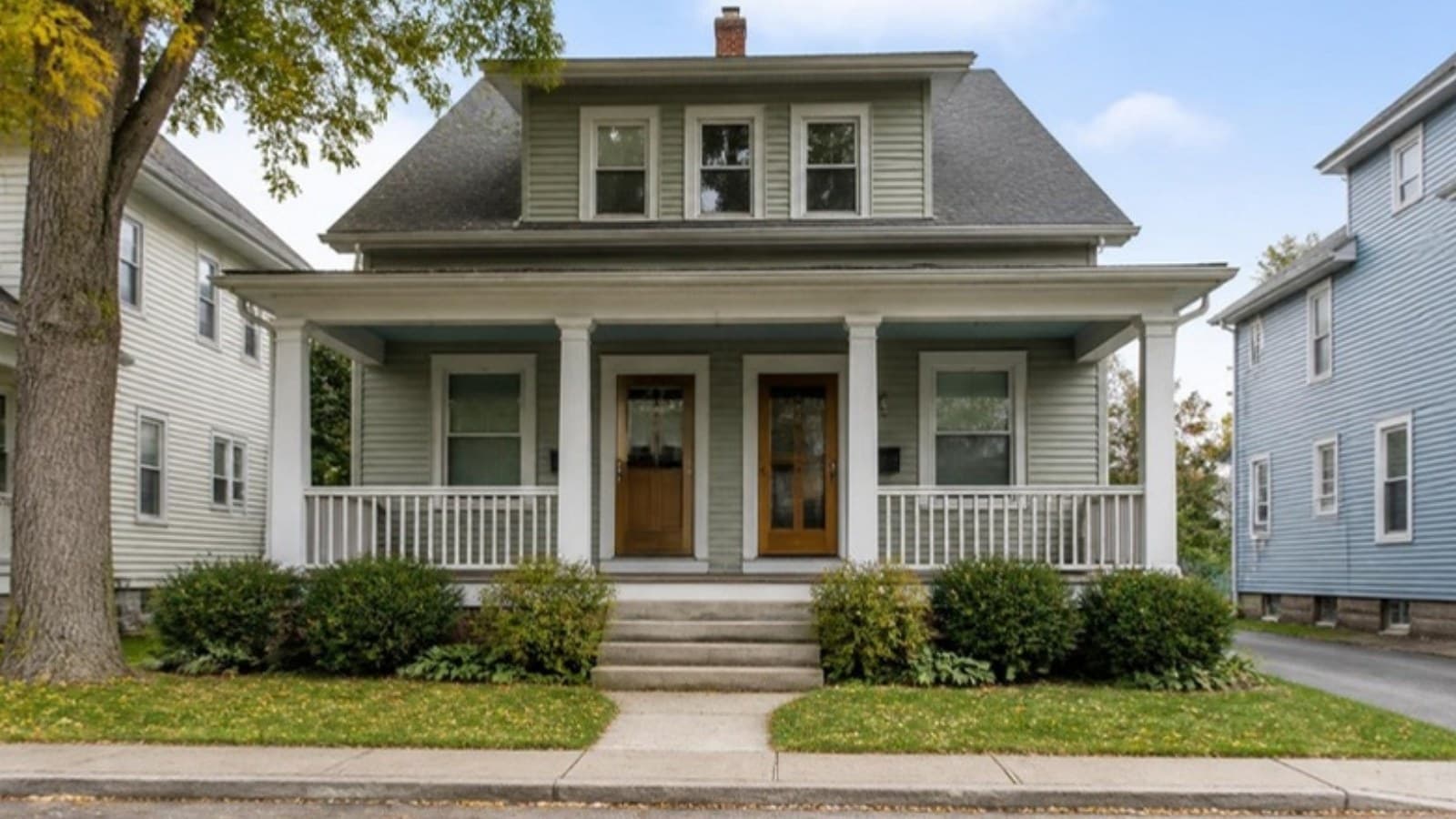
House hacking means living in a property you own while renting part of it out so tenant income covers some or all of your housing cost. Beginners usually pick one of four models: a duplex or triplex where you occupy one unit, a small multifamily building, renting spare rooms in your existing single-family home, or a VA-loan strategy that lets eligible buyers finance a 2-4 unit property with zero down if they occupy one unit, per VA.gov's rules on entitlement and occupancy for multiunit properties.
Renting rooms by the bedroom is the version most landlords with 1-3 houses can run today. A furnished room rental like this property listed on CoRent.AI rents by the room with shared utilities, so gross rent comes from multiple tenants instead of one lease.
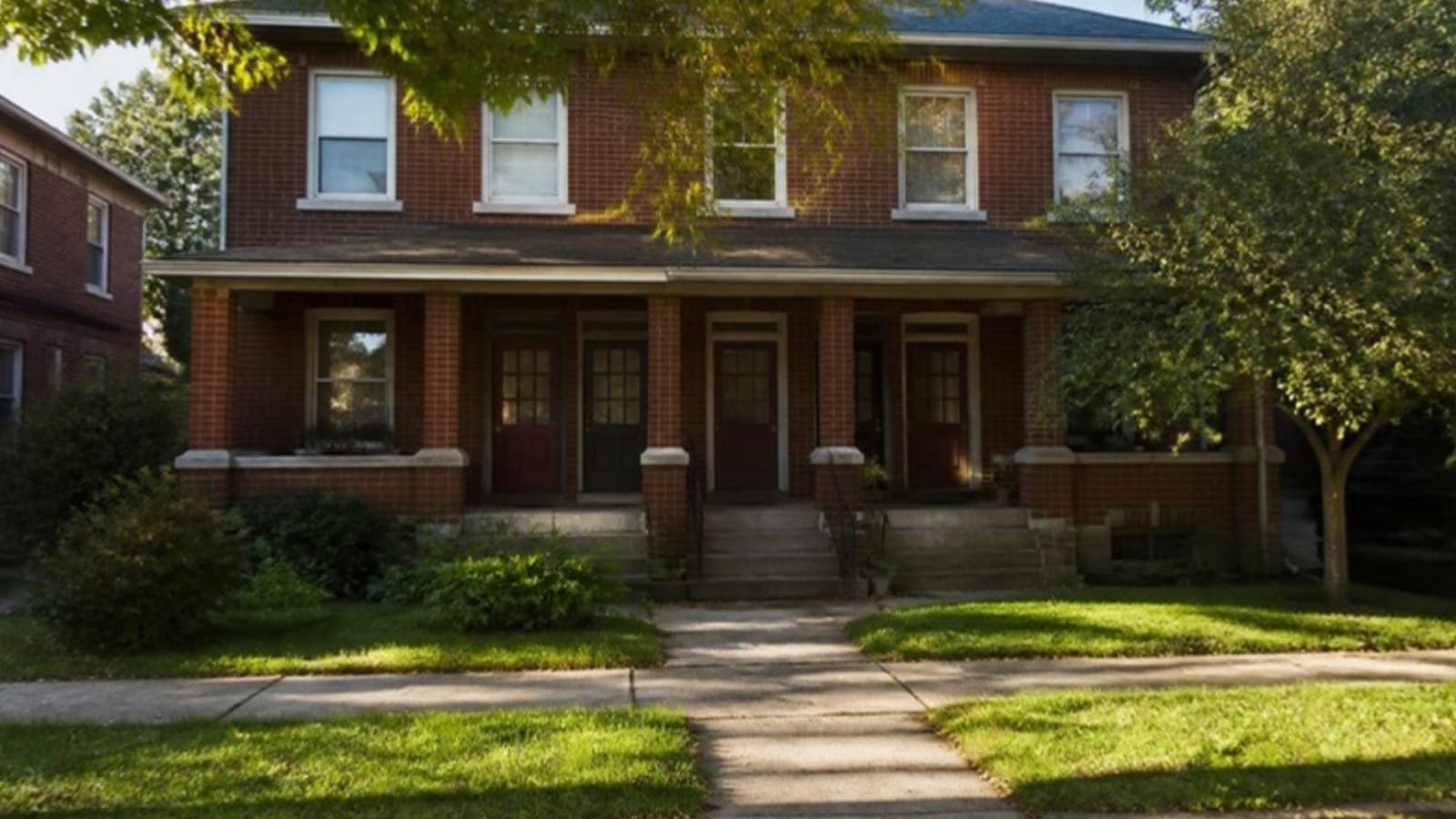
House hacking a duplex vs. house hacking multifamily: which should a beginner start with?
Financing differences: 2-4 units vs. 5+ units
The line that matters is five units. A duplex, triplex, or fourplex qualifies for conventional financing with 3-5% down through owner-occupied programs, and FHA loans cover up to four units at 3.5% down. At five units, you cross into commercial lending: 20-25% down, shorter amortization, and rates priced off the property's income rather than your credit profile. For most beginners with one house already, the fourplex keeps the down payment math sane.
Management load per unit
Management load scales with people, not just units, and this is where the two models diverge sharply. A duplex gives you two leases, two sets of move-outs, and maybe two water heaters a year. A fourplex quadruples that: four leases turning over at different times, four tenants with separate expectations about shared spaces, and four chances per year for a vacancy to hit your net operating income. If you self-manage, budget roughly four hours per unit per month and assume each turn costs you two to four weeks of rent, plus cleaning, re-keying, and listing work you cannot delegate cheaply at this size. The workaround is renting by the room in a single-family house instead, where one roof holds several tenants on a shared-utilities setup and one weekly payment covers everyone. Platforms take a cut for that simplicity, and the fee difference compounds with every turn, so compare them on net terms before you commit.
On fees: PadSplit charges an 8% monthly platform fee plus the first 10 days of every new booking as a lease-up fee, while CoRent.AI lets hosts keep 95% of rent with no booking fees. The calculator at this Petersburg example property shows the per-room math on a real listing.
How does renting rooms in your existing home compare to buying a duplex?
Renting rooms in a house you already own is the fourth house hacking model, and for many small landlords it beats buying a duplex because you skip the purchase entirely. Owner-occupied financing for 2-4 units requires you to move in; renting rooms in your current single-family house needs no new loan at all.
Rent lift: whole-house lease vs. rent by the room
A 3-bedroom house renting whole might gross $2,400/mo. Rent by the room at $700-800 per furnished private room, plus shared utilities bundled into rent, pushes gross rent toward $2,100-2,400 with no tenant paying for "the whole house." CoRent.AI hosts keep 95% of rent with no booking fees and no mandatory property management fee; its calculator at this example property quantifies the lift for your actual rooms.
- Gross rent (3BR, illustrative): Whole-house lease $2,400/mo; rent by the room $2,100-2,400/mo
- Vacancy risk: Whole-house lease 100% or 0%; rent by the room, one room vacant, others pay
- Turn cost: Whole-house lease, full unit turnover; rent by the room, one room at a time
Room turns and vacancy math
Room turns replace the all-or-nothing vacancy problem: three move-ins per room per year is normal, but one empty room still leaves 67-75% of rent flowing. Compare platforms on net operating income, not sticker fees: PadSplit charges an 8% monthly platform fee plus the first 10 days of every new booking as a lease-up fee, per one host's review.
How does military house hacking work with a VA loan?
A VA loan lets eligible buyers purchase a 2-4 unit property with $0 down, as long as you occupy one of the units as your home. You also need enough remaining entitlement to cover the full loan amount, since the VA guarantee only backs part of it. The occupancy rule is the one that trips people up: you must certify you'll live there, generally within 60 days of closing, though active-duty PCS orders can extend that.
Renting out the other units is allowed. What the VA does not allow is treating the property as a pure investment from day one. If you're renting rooms in your occupied unit instead of whole units, the same occupancy rule applies, and you'll want written house rules for renters in a shared home before the first move-in.
Can you house hack in California with high home prices?
Yes, but the math changes. At California prices, a duplex mortgage often eats the rent you'd collect from the other unit, so the model that survives is renting rooms in a house you already own or bought with a low-down-payment loan. Rent by the room at $800-1,200 per room in a shared home beats one flat rental on net operating income, because room turns and shared utilities let you reprice constantly.
The catch is platform fees. PadSplit's 8% monthly platform fee plus the first 10 days of every new booking as a lease-up fee compounds with frequent room turns. CoRent.AI takes no booking fees and hosts keep 95% of rent; run your own zip code through the calculator on the CoRent fees page before assuming rooms don't pencil where you live.
Which house hacking strategy fits your situation? A decision framework
Start with what you already own. If you hold a single-family house free enough to add roommates, renting by the room costs you nothing in acquisition and usually beats a duplex on cash flow per dollar invested. Run the numbers yourself: the CoRent host calculator shows what each room nets when you keep 95% of rent with no booking fees.
If you need to buy, match the model to your capital. A duplex or small multifamily property suits a buyer with a down payment and tolerance for a full second unit's maintenance. Renting rooms in your existing home suits a lower-capital start with the least new debt.
Risk tolerance is the third filter. Room-by-room means more tenants, more room turns, and shared utilities to manage, but one empty room still leaves income from the rest. A whole-unit duplex has fewer moving parts and bigger vacancy swings.
If you're self-managing and value predictable weekly income per room over fewer tenant relationships, room rental in a single-family house is the model to model out first.
Is house hacking worth it? A go/no-go checklist
Run the numbers per room, not per door
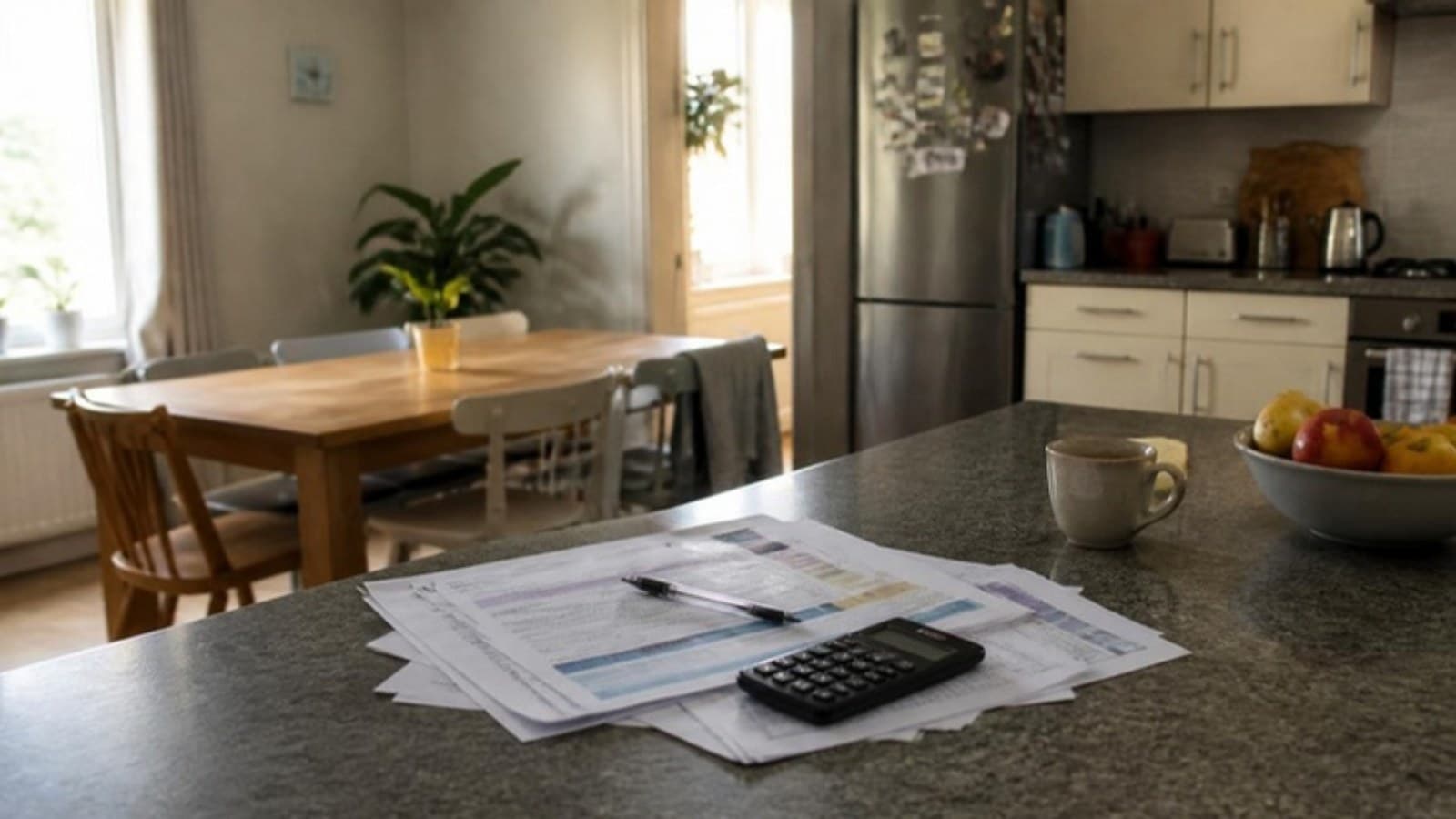
A single-family house rented by the room lives or dies on dollars per room, not per lease. List every bedroom, assign each a realistic weekly or monthly rate, then subtract shared utilities, furnishing wear, and turnover costs. Hosts who run this exercise on PadSplit-style deals generally report the math only works once they track each room's rent roll separately. If the per-room total doesn't beat your current whole-house rent by at least 30%, the extra management load isn't paying you.
Platform fee drag: 8% plus lease-up days vs. flat 5%
PadSplit charges an 8% monthly platform fee plus the first 10 days of every new booking as a lease-up fee, so frequent room turns compound the cost. CoRent.AI takes a flat 5% with no booking fees, as listed on its host fee page. Score each platform against your expected move-ins per room per year, then check your exit: can you revert to a whole-house lease if room renting stops working? If yes, the downside is capped.
What are the risks and landlord responsibilities beginners underestimate?
Room turns are the first surprise. Every move-out means cleaning, re-keying, and re-listing one room while the other rooms still need you. More rooms means more move-ins per room per year, so vacancy compounds faster than in a whole-unit rental.
Shared utilities and house rules are your job, not the tenants'. Someone has to split the electric bill, set quiet hours, and mediate the roommate who leaves dishes in the sink. That mental load is real, and it is why some operators pay a property manager despite the fee.
Finally, check local rental regulations before converting: some cities treat by-the-room rentals differently from single-family leases, and occupancy caps can kill the model outright. Support load matters if you use a platform, too, so test response times with a trial listing before you commit your whole house.
FAQ
What does house hacking mean in real estate?
House hacking means living in a property you own while renting part of it out so tenant income covers some or all of your housing cost. The four common models are occupying one unit of a duplex, buying a small multifamily building, renting spare rooms in your existing single-family home, or using a VA loan to finance a 2-4 unit property you live in.
Is house hacking worth it in 2025?
For small landlords, it depends on your capital. Renting rooms in a house you already own requires no new loan and usually beats a duplex on cash flow per dollar invested. Run per-room numbers first: if room rental doesn't beat your whole-house rent by at least 30%, the extra management load isn't paying you.
Can you house hack a single-family home?
Yes, and it's the lowest-capital model: rent spare bedrooms by the room with shared utilities bundled into rent. A 3-bedroom house might gross $2,400/mo on a whole-house lease, but furnished rooms at $700-800 each can reach similar gross rent with lower vacancy risk, since one empty room still leaves the others paying. Check local occupancy caps first.
How many rooms do you need to rent to make house hacking profitable?
There is no fixed number; profitability comes from dollars per room, not the count. List every bedroom, assign a realistic rate, then subtract shared utilities, furnishing wear, and turnover costs. Two or three rooms at $700-800 each typically matches a whole-house lease. Aim for per-room total rent at least 30% above your current whole-house rent to justify the added management.
Can you use a VA loan for house hacking a duplex?
Yes. Eligible buyers can purchase a 2-4 unit property with $0 down as long as they occupy one unit, generally within 60 days of closing, and have enough remaining entitlement to cover the full loan amount. Renting out the other units is allowed, but the VA won't let you treat the property as a pure investment from day one.
Ready for the next step?
Try the investor toolsRun the numbers on a rent-by-the-room property
Use the CoRent investor tools to compare room-by-room income with a single-family lease.