For investors
Rental Property Safety Requirements for Shared Homes
Rental property safety requirements come from state law and your local code officials, not from a blog. Here is what to ask before you buy or convert a house to rent by the room.
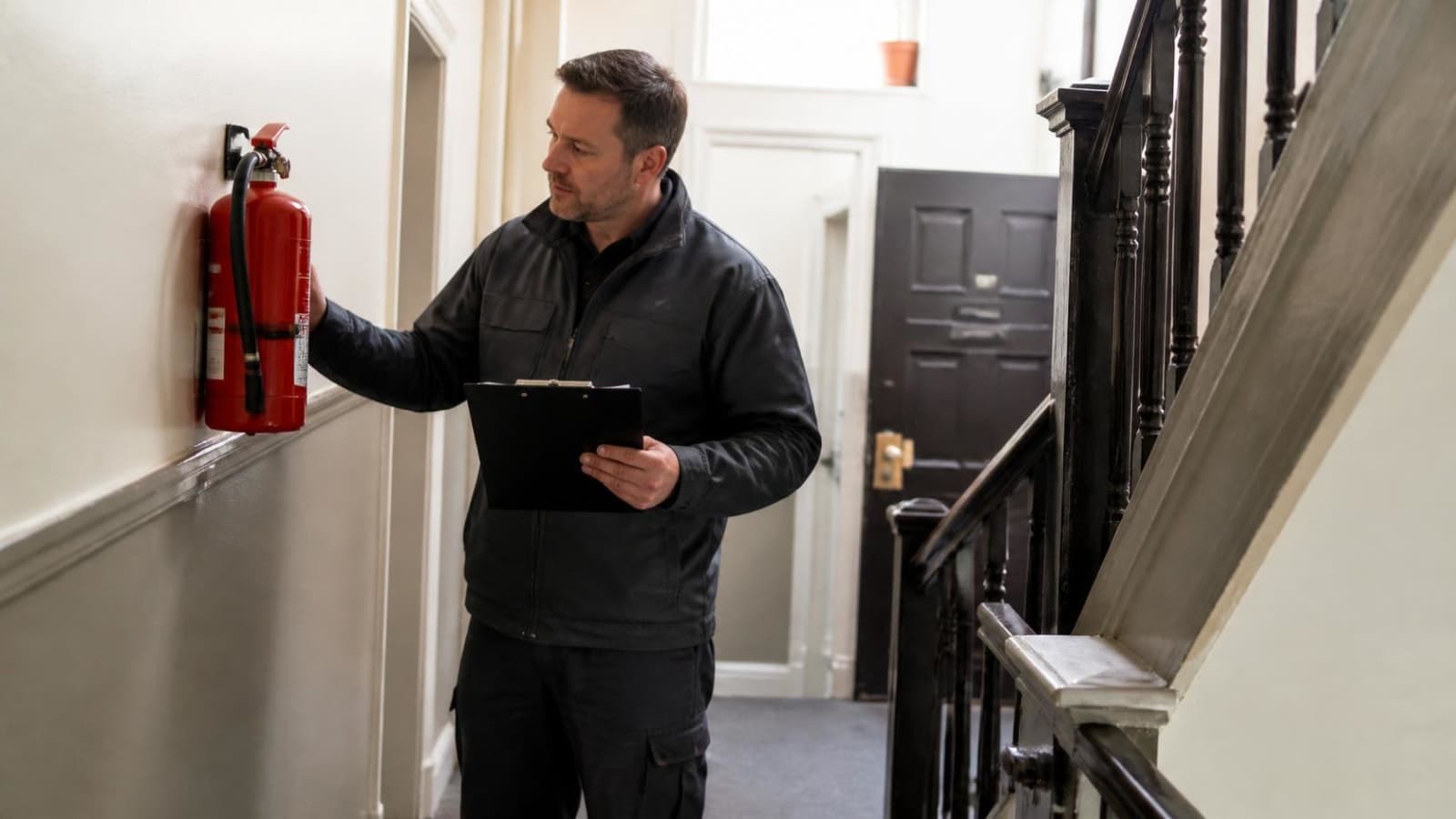
Rental property safety requirements come from state law and from your local code officials, and they can differ for a house rented by the room. Before you buy or convert a house, call the city or county building and fire offices and ask what applies to that address. This guide lists the questions to ask and what Virginia law says about landlord duties. It is general information, not legal, tax or investment advice, and returns are not guaranteed.
Why rental property safety requirements matter more with shared homes
More people live in a shared home than in a house under one whole-house lease, and they use the kitchen, stairs and exits at the same time. A problem that is small in a house with one household can be bigger when several unrelated adults share it.
I am a licensed Class A contractor and I run shared homes in the Richmond area. I still do not decide what is legal at your address. Your code officials do. Treat anything in a blog, including this one, as a list of questions, not an answer.
What Virginia law says about landlord duties
The Virginia Residential Landlord and Tenant Act sets baseline landlord duties. Virginia Code 55.1-1220 says a landlord must:
- Comply with the requirements of applicable building and housing codes materially affecting health and safety
- Make all repairs needed to keep the premises in a fit and habitable condition
- Maintain in good and safe working order the electrical, plumbing and sanitary facilities and appliances the landlord supplies
On smoke alarms, the same section says the landlord must give the tenant a certificate, no more than once every 12 months, stating that all smoke alarms are present and have been inspected and are in good working order. The landlord, an employee or an independent contractor may do the inspection.
An attorney can tell you how these duties apply to a house you own. This list is a summary of statute text, not a full reading of the law.
Questions to ask local code officials before you buy
Virginia's building codes are developed and updated through a state process, and the Virginia Department of Housing and Community Development is the state starting point. The people who apply the rules to your address are local. Call or visit the building office and the fire marshal in the city or county where the house sits. Ask:
- Is renting by the room allowed at this address, and under what zoning?
- Is there a limit on how many people can live in the house?
- What smoke and carbon monoxide alarm rules apply, and where?
- What exits and bedroom requirements apply to each room I plan to rent?
- Do I need a permit or inspection for changes such as converting a room, adding a bathroom or finishing a basement?
- Is a rental registration or inspection required?
Write down the name of the person you spoke with, the date and the answer. If the answer matters to your purchase, ask for it in writing.
Do the permit work first
A shortcut that skips permits can become the most expensive item on your list. If a room needs work to qualify, get the permit, use licensed trades where required and finish the inspection before you list the room.
Safety items you can plan for now
Some items are easy to price before you buy. The U.S. Fire Administration says to put smoke alarms in every sleeping room, outside each separate sleeping area and on every level of the home, including the basement. See its fire prevention guidance. Ask your local fire office to confirm what your jurisdiction requires.
Build a simple safety line into your model:
- Smoke alarms and, if required, carbon monoxide alarms
- Locks and lighting on exterior doors
- Electrical and plumbing checks by licensed trades
- A written inspection routine between tenants
Use the same logic as your other costs. The co-living operating costs guide shows how to estimate repeating lines. Put safety next to them, and leave a reserve for the item the inspector finds.
What CoRent does and does not do
On CoRent, hosts list rooms for free and keep 95% of rent, with a flat 5% platform fee and no booking fee or management fee. Renters verify their ID once, and listings show only the city and ZIP until a booking is confirmed. Those are platform features. They do not replace the safety requirements that apply to your house. Nothing on the CoRent site says it inspects or certifies a property, and it does not decide what is legal at your address. You and your local officials do.
Compare the model with a whole-house lease in rent by the room investing vs. a single-family lease. If you plan more than one house, scaling rental properties: build systems before speed covers how to write your safety checks into a routine.
Keep a safety record
Good records help you and protect you if a question comes up later. Keep a folder for each house with:
- Permits, inspection results and the names of the officials you spoke with
- Dates of smoke alarm checks and any certificates you gave tenants
- Receipts and notes for safety repairs
- Photos of each room after each turnover
Your accountant can tell you how to treat repair and improvement costs.
Put safety in your numbers
Once you have answers, test them in the investor tools. CoRent today serves Richmond, Petersburg and Colonial Heights, Virginia. Rules can differ in each, so check each address separately.
When you already own the house
If you are converting a house you already own, do the same checks in the same order: ask the officials, price the work, finish permits and inspections, then list. Do not list a room first and fix problems later. A room that is not ready is both a safety risk and a vacancy risk.
Frequently asked questions
Who decides rental property safety requirements?
State law sets baseline duties, and local building and fire officials apply the codes to your address. Ask them directly and keep a written record.
Do shared homes have different requirements?
They can. Occupancy, exits and alarm rules may change when several tenants share a house. Ask your local code office about your address.
Does CoRent certify that a house meets code?
Nothing on the CoRent site says it does. CoRent is a platform for listing and renting rooms, and owners are responsible for meeting the rules that apply to their property.
Ready for the next step?
Run your numbers with the investor toolsMore on CoRent
Sources
Run the numbers on a rent-by-the-room property
Use the CoRent investor tools to compare room-by-room income with a single-family lease.