For investors
Affordable Housing Shortage: What Public Data Shows
NLIHC's 2026 Gap report puts the U.S. shortage of affordable rental homes at 7.2 million. Here is what the public data shows, including Virginia, and what it means for investors in shared housing.
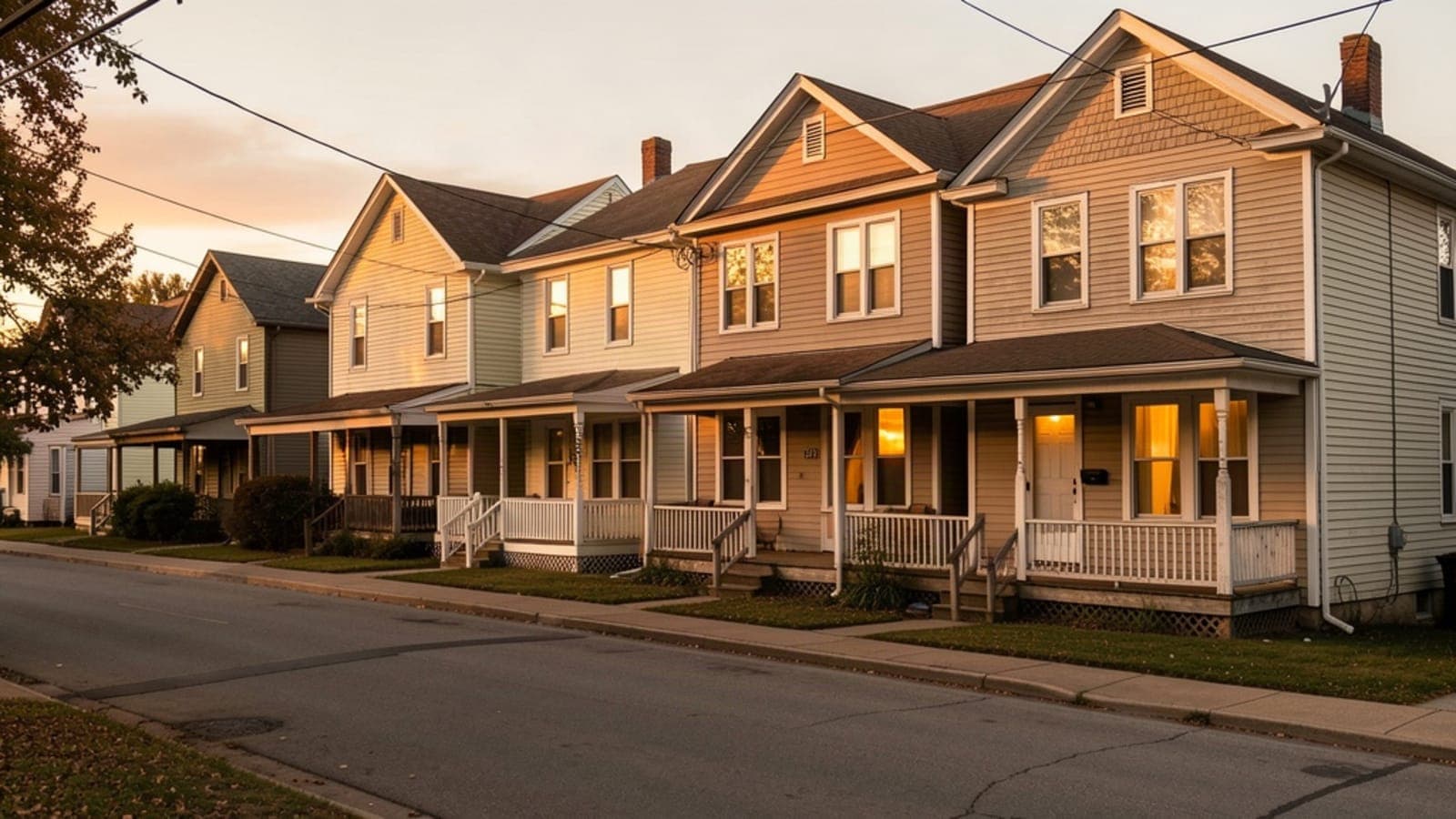
The affordable housing shortage is large, and public data shows it. The National Low Income Housing Coalition (NLIHC) reports that the U.S. has a shortage of 7.2 million rental homes that are both affordable and available to renters with extremely low incomes. In Virginia, there are 35 such homes for every 100 extremely low-income renter households.
This post walks through those numbers, what they cover and what they do not, and what an investor in shared housing should take from them. It is general information, not investment, legal or tax advice, and returns are not guaranteed.
What the data says about the affordable housing shortage
NLIHC publishes a yearly report called The Gap. From the 2026 edition, the page reports the following.
- The U.S. has a shortage of 7.2 million rental homes affordable and available to renters with extremely low incomes.
- Only 35 affordable and available rental homes exist for every 100 extremely low-income renter households in the U.S.
For Virginia, the same report lists these figures.
- 247,466 extremely low-income renter households.
- 35 affordable and available rental homes per 100 extremely low-income renter households.
- 77% of extremely low-income renter households have a severe cost burden.
Those are NLIHC's findings, using its own definitions. Read the report for how it defines "extremely low income," "affordable," "available" and "severe cost burden." We cite the figures, and we do not change them.
What these numbers do not tell you
It is easy to over-read a headline number. Here is what the data does not say.
- It is about one income group, extremely low-income renter households. It is not a statement about all renters.
- It is a statewide and national figure. It does not tell you the situation on a particular street or in a particular city.
- It does not say what rent a room in a shared home will earn, or how fast any room will fill.
- It does not say that shared housing solves the shortage. It does not. Shared housing is one option among many, and the gap needs policy, new construction and many other efforts.
If you read a claim that a single housing model fixes the shortage, be careful. The public data does not support that.
Here is a simple way to read a report like this one. Check the year it covers. Check how the terms are defined. Check whether the figure is national, statewide or local. Then compare it with a second source, such as your city's housing office, before you lean on it for a decision. A number that sounds big can still say little about the block you plan to buy on.
Why shared housing comes up in this conversation
Shared housing means a renter takes one room in a home and shares the kitchen, bath and living areas. A renter takes on the rent for one room instead of the rent for a whole home. For some people that is a smaller monthly commitment, which is why the model draws interest when housing is hard to find.
For an owner or investor, renting by the room treats each bedroom as its own unit of rent. We explain how that differs from one lease on one house in rent by the room investing vs. a single-family lease.
On CoRent, the terms are plain. Listing is free for hosts. The platform fee is 5% of rent collected, so hosts keep 95%, with no booking fee and no management fee. Renters sign up free, with no application fee, and verify their ID once with a government ID and a selfie match. Listings show city and ZIP only until a booking is confirmed. You can see the details on the fees page.
What to do with this as an investor
Public data on need does not replace your own diligence. A shortage in a statistic does not guarantee that a particular house will fill or earn what you hope. Use the data as context, then do the work.
- Check local rules. Zoning, occupancy limits and rental registration are set by your city or county. Ask the local office in plain words what applies to a house rented by the room.
- Estimate running costs. Utilities, repairs, insurance, taxes, turnover and vacancy all matter. See co-living operating costs: utilities, furnishing and turnover.
- Talk to professionals. A lender, an insurance agent and an accountant can each tell you how your plan looks from their side.
- Be fair. Fair housing law applies to every room you rent. Choose renters by clear, written criteria and describe the room, not the person.
CoRent serves Richmond, Petersburg and Colonial Heights, Virginia. You can read how we work on the about page and see rooms on the rooms for rent page.
Frequently asked questions
How big is the affordable housing shortage in the U.S., according to NLIHC?
NLIHC reports a shortage of 7.2 million rental homes that are affordable and available to renters with extremely low incomes. Only 35 such homes exist for every 100 extremely low-income renter households.
What does the data say about Virginia?
For Virginia, NLIHC lists 247,466 extremely low-income renter households and 35 affordable and available homes per 100 of them. It also reports that 77% of those households have a severe cost burden.
Does shared housing fix the shortage?
No. Shared housing is one option for some renters. It does not replace the new construction and other work that closing the gap would take. Returns for owners are not guaranteed either.
Use public data for context, then test your own house with your own numbers. The investor tools let you compare income per room with a single lease. Run your numbers with the investor tools.
Ready for the next step?
Run your numbers with the investor toolsMore on CoRent
Sources
Run the numbers on a rent-by-the-room property
Use the CoRent investor tools to compare room-by-room income with a single-family lease.