For investors
Best House for Room Rentals: 7 Things to Check First
The best house for room rentals works as a shared home, not just a nice house. Here are seven things to check before you buy or convert one, from layout to local rules.
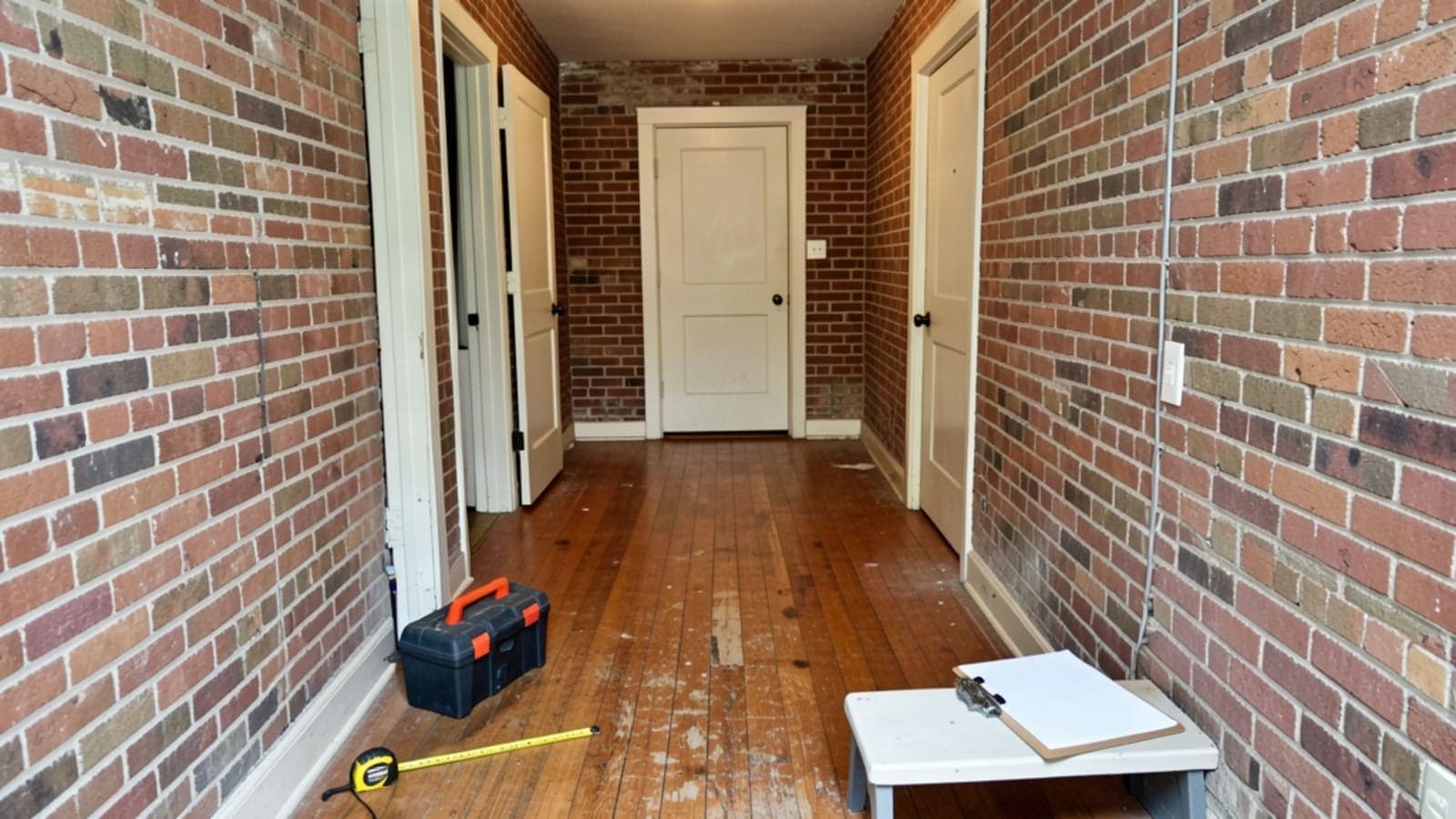
The best house for room rentals is one where every bedroom can work as a private space and the common areas can handle several people. That means a sensible layout, enough bathrooms and kitchen space, utilities you can manage, and local rules that allow it. Check those things before you fall in love with the price or the curb appeal.
This guide is for people who plan to buy, or convert, a house to rent by the room. It is general information, not legal, tax or financial advice, and returns are never guaranteed. Talk to your lender, agent, accountant and city office before you decide.
What makes the best house for room rentals
A house that works for one family does not always work for several unrelated adults. In a shared home, people come and go on different schedules. They cook at different times. They share walls, stairs and one front door.
So you are looking for a house that gives each person some privacy and gives the group a place to live together. The seven checks below are the ones that matter most. None of them needs a spreadsheet. They need a walk-through, a tape measure and honest answers.
The seven checks before you buy
Check 1: Bedroom layout and privacy
Walk the house and stand in each bedroom. Ask yourself a few plain questions.
- Does the door close and latch properly, or can it be fitted with a lock?
- Is the room big enough for a bed, a dresser and a desk or small table?
- Does it have a window and a working closet or storage space?
- Can someone reach the bathroom and kitchen without walking through another bedroom?
A bedroom that is only reachable through another bedroom is a hard room to rent. A bedroom on the main floor next to the living room may be noisier than one upstairs. Neither is a deal breaker, but both belong in your plan.
Check 2: Bathrooms and kitchen capacity
Bathrooms are the first thing that gets crowded. Count them, then count the bedrooms. The more bedrooms you plan to rent per bathroom, the more the schedule matters in the morning and at night.
The kitchen is next. Look at the fridge, the stove and the counter space. One small fridge for four or five people gets tight quickly. You may want shelf space or a second fridge, and a clear plan for who stores what. Our guide to house rules for renters shows how to cover shared kitchen use in writing.
Check 3: Utilities and who pays
Look at how the house is set up for water, power, gas and internet. Is there one meter for the whole house? Is the heating system old or new? Is the roof or attic insulated?
On CoRent, hosts can let tenants share utilities, which are paid in the app on top of rent. Even so, you should know what the house costs to run before you buy. Ask the seller for recent bills if they will share them. For a deeper look at this line, read co-living operating costs: utilities, furnishing and turnover.
Check 4: Condition and durability
A shared home gets more wear than a single-family home. More people use the floors, the doors and the appliances. Look at what you can see and what you cannot.
- Floors: hard surfaces tend to handle traffic better than carpet that is already worn.
- Roof, plumbing and electrical: ask for an inspection, and read the report yourself.
- Paint and trim: easy to repair is better than hard to match.
- Smoke and carbon monoxide alarms, locks and exits: confirm they work and are where they should be.
A good rule is to buy the structure and the systems first. Finishes are the cheap part to fix.
Check 5: Parking, access and the street
Several adults can mean several cars. Look at driveway space, street parking and how the street feels in the evening. Check that the entrance is well lit and the walk from the street to the door is safe and clear.
Also think about location in practical terms. How far is the house from jobs, transit and shopping in the area you serve? CoRent operates in Richmond, Petersburg and Colonial Heights, Virginia. You can see how listings look in each city on the Richmond rooms page.
Check 6: Local rules, insurance and financing
This is the check people skip, and it is the one that can stop a plan. Zoning, occupancy limits and rental registration rules are set by your city or county. They can differ a lot from one place to the next. Call the local planning or zoning office and ask in plain words how many unrelated adults may live in the house and what permits apply.
Insurance is its own conversation. Ask an insurance agent how a policy treats a house rented by the room. Ask your lender how it views rental income on a property like this. These are professional questions with professional answers, and the answers can change what you can afford.
Check 7: Numbers and taxes
Once the house passes the physical checks, test the money. Estimate rent per room, then subtract the costs of running the house: utilities, repairs, insurance, taxes, vacancy and the platform fee. On CoRent, hosts keep 95% of rent because the platform fee is 5% of rent collected, with no booking fee and no management fee. You can see the details on the fees page.
Rental income is taxable, and the IRS explains the basics of income and deductible expenses in Topic no. 414. A tax professional can tell you how it applies to your situation. To compare one house on a per-room basis, use the investor tools. For the bigger picture of how renting by the room differs from a single lease, read rent by the room investing vs. a single-family lease.
Frequently asked questions
How many bedrooms should a house have to rent by the room?
There is no single right number. What matters is that each bedroom is usable on its own, and that bathrooms, the kitchen and parking can handle everyone. Check your local occupancy rules before you count rooms.
Is an older house a bad choice for room rentals?
Not by itself. Older houses often have solid layouts. The risk is hidden age in the roof, plumbing, wiring and heating, so get an inspection and price the repairs before you buy.
Do I need to buy furniture for each room?
You need to plan for it. CoRent rooms are rented furnished, so budget for durable beds, desks and storage. Choose pieces that hold up to daily use over pieces that only look good.
Pick one house you are considering and score it on the seven checks. Then put its numbers into the investor tools and compare the result with your lender's and accountant's views. Returns are not guaranteed, so test the downside as well as the best case. Run your numbers with the investor tools.
Ready for the next step?
Run your numbers with the investor toolsMore on CoRent
Sources
Run the numbers on a rent-by-the-room property
Use the CoRent investor tools to compare room-by-room income with a single-family lease.