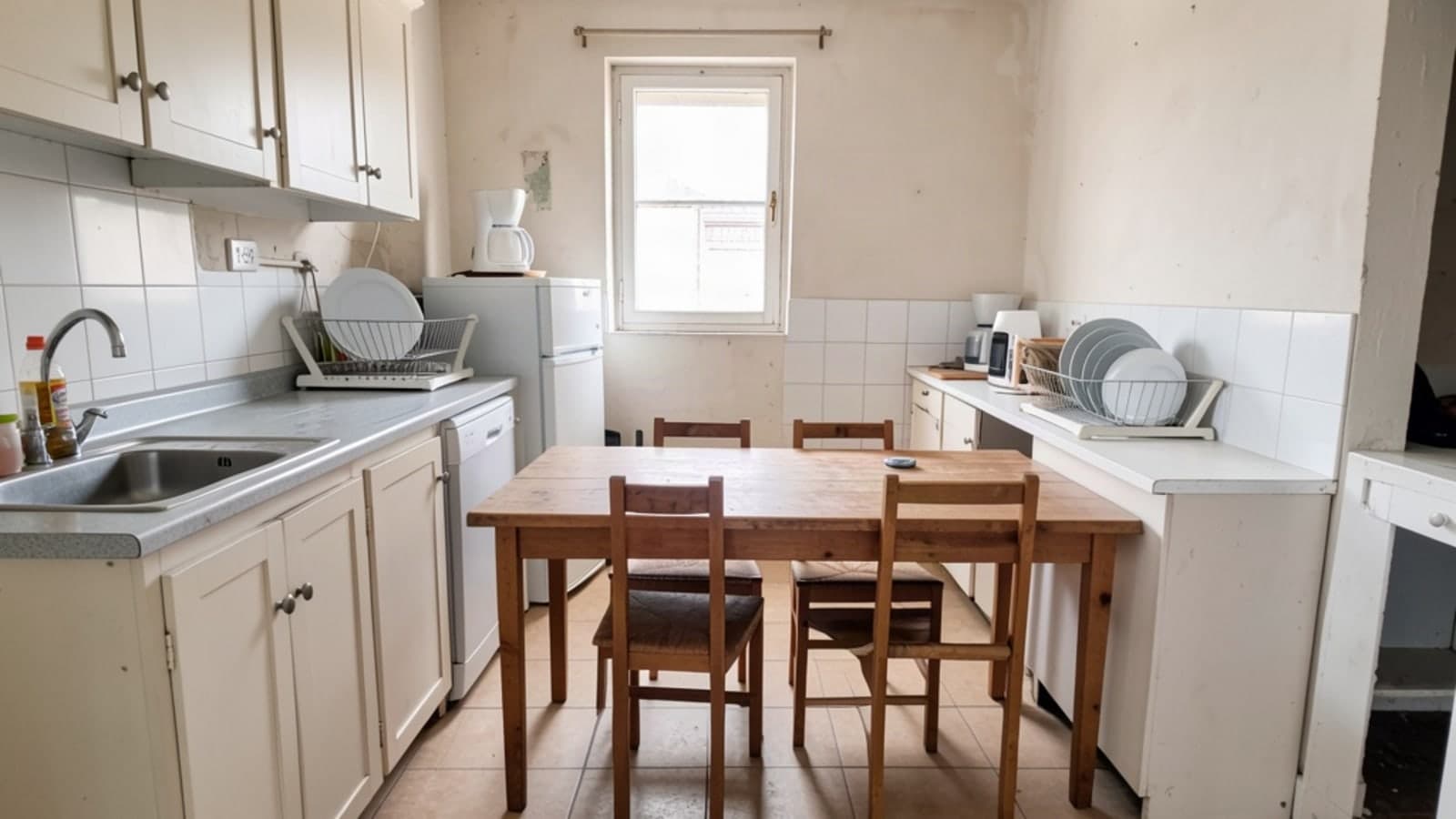
For renters
Move In Checklist for a Room in a Shared Home
A move in checklist for a shared home: confirm what the room includes, walk it with the host, take dated photos and respond to the Virginia move-in report in writing.
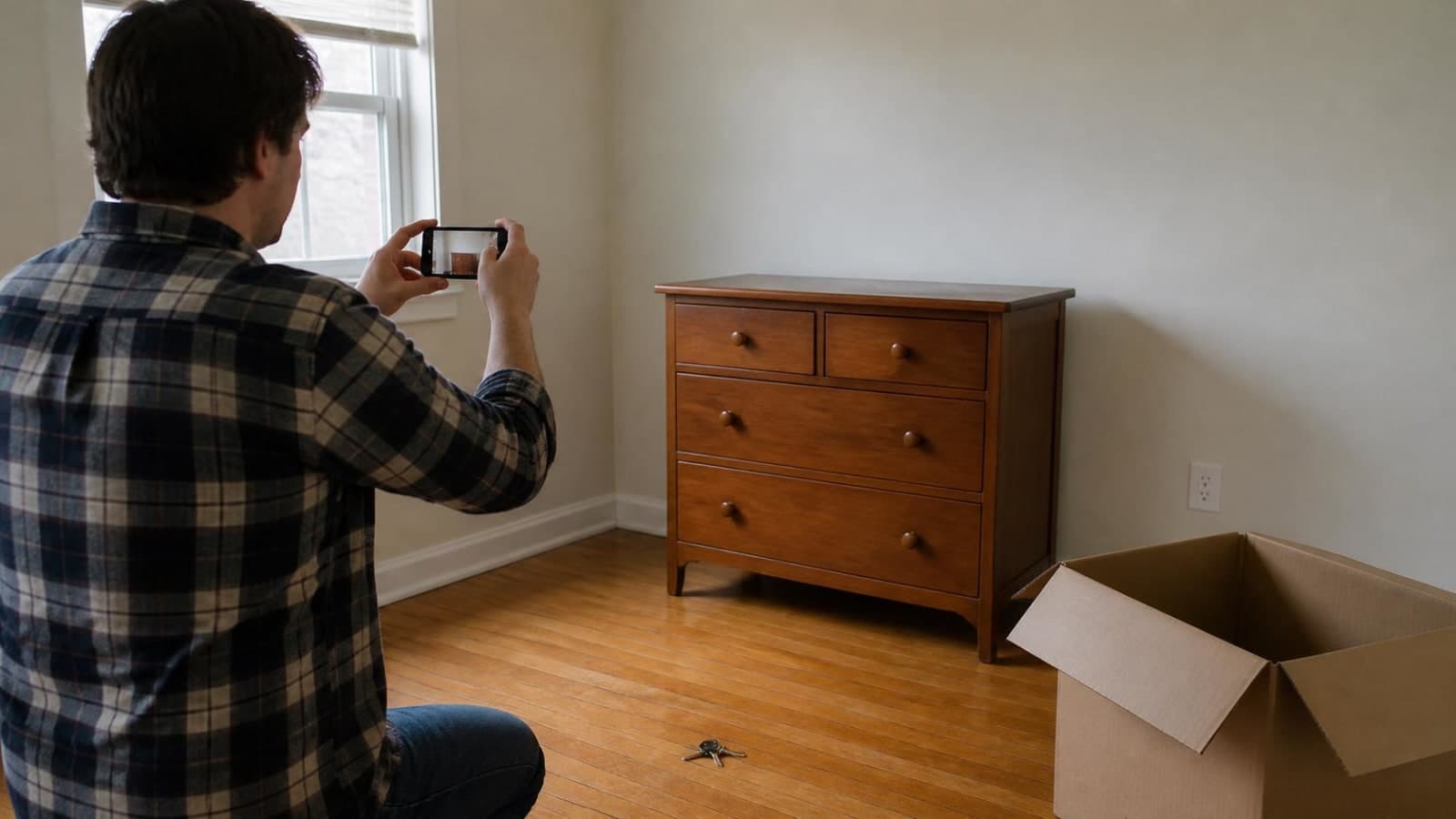
A move in checklist for a room in a shared home starts with one rule: write down what you see on day one. Walk the room, take dated photos, sign a move-in report and keep a copy. It takes less than an hour and it protects you when you move out.
This guide gives you a simple list for before, during and after move-in. It is general information, not legal advice.
Before move-in day: what to settle
Do these steps before you carry in your first box.
- Confirm what the room includes. Check the listing and ask the host about anything unclear. Our guide to what is included in a furnished room for rent lists good questions.
- Confirm the total cost: rent, any shared utilities and any fees. Rent is paid weekly or monthly in the app, and the processing fee is shown at checkout.
- Read your lease and the house rules. If something is not in writing, ask for it in writing.
- Confirm your move-in date, how you will get keys and who will meet you.
On CoRent, listings show the city and ZIP, and the street address is shared after your booking is confirmed. Do not go to a house until a booking is confirmed through the app.
Your move in checklist for move-in day: walk the room
This is the main step of a move in checklist. Go through the room slowly, ideally with the host or house manager.
- Walls, ceiling and floors: scuffs, stains, holes, cracks
- Windows and blinds: do they open, close and lock
- Lights and outlets: do they all work
- Furniture: is everything listed there, and what condition is it in
- Closet and storage: any damage or smells
- Door lock: does your bedroom door lock and does your key work
- Smoke alarm: is there one working nearby
Take dated photos of everything, including anything already broken. Photograph close up and from a distance. Save them in a folder on your phone and also send a copy to yourself by email.
Fill out the move-in report
Virginia law covers a move-in report. Under Virginia Code section 55.1-1214, the landlord must, within five days after occupancy, submit a written report that itemizes existing damages. The report is deemed correct unless the tenant objects in writing within five days after receiving it. The law also lets a landlord adopt a policy where the tenant prepares the report, or where both prepare it together and each signs and gets a copy.
What that means for you: read the report as soon as you get it, add anything missing, and respond in writing within the window. Do not wait. If you spot damage that is not listed, say so and attach your photos.
This is a summary of one part of the law. Read the text yourself and ask a tenant-rights or legal aid resource if you are unsure.
Check the shared spaces and the rules
You will live with other people, so look at the shared areas too.
- Kitchen: where you store food, which appliances you may use and how cleanup works
- Bathrooms: who uses which one and the cleaning plan
- Laundry: when and where
- Quiet hours, guests and common-area rules
Ask how repairs are reported and who to call. Ask how shared utilities are split if the house has them. Get the answers in writing or confirm them in the app.
Many tenants get along well with housemates when everybody knows the plan. Our post on house rules for renters is written for hosts, but reading it tells you what a well-run house covers.
Your own safety and security basics
A few small steps are worth doing on the first day.
- Learn where the exits are and where the smoke alarms are.
- Put your valuables in your room and lock the door when you are out.
- Save the host's contact for repairs and any urgent problem.
- Keep your payment confirmations, lease and report in one folder.
If you think a listing or a request does not look right, slow down. The Federal Trade Commission explains common warning signs in its Rental Listing Scams advice.
Your fair housing rights do not change because you rent a room. The HUD fair housing page explains them.
After you move in
In the first week, check in with your host about anything that is not right, and report problems early. Pay rent on time and keep a record of each payment. When you are ready to look for a room, see rooms for rent in Richmond, Petersburg or Colonial Heights, or the full properties page. Signing up is free and there is no application fee.
Keep a move-in folder
Make one folder on your phone for the lease, the move-in report, your photos, your payment confirmations and the host's contact details. Back it up by emailing it to yourself. If you ever have a question about a deposit, a repair or a charge, this folder answers it in minutes instead of days.
Ask for a copy of anything you sign. A host who runs a careful house will be glad to give you one.
Frequently asked questions
Do I need to take photos on move-in day?
Yes. Dated photos of the room, including any damage that is already there, give you proof of the condition when you arrived.
Who writes the move-in report?
In Virginia, the landlord prepares it by default, but a written policy can let the tenant prepare it or both prepare it together. Read the code section linked above.
Can I see the address before I book?
CoRent listings show the city and ZIP only. The street address is shared after your booking is confirmed.
Ready for the next step?
See rooms for rent in Richmond, VAMore on CoRent
Sources
Find a private room in a shared home
Verify your ID once, apply in the app and pay rent weekly or monthly. No application fee.