For hosts
Handling Rental Maintenance Requests in a Shared Home
Rental maintenance requests come in from several tenants at once when you share a home. Here is how to set up a simple process, what Virginia law says a landlord must keep working, and when to call a professional.
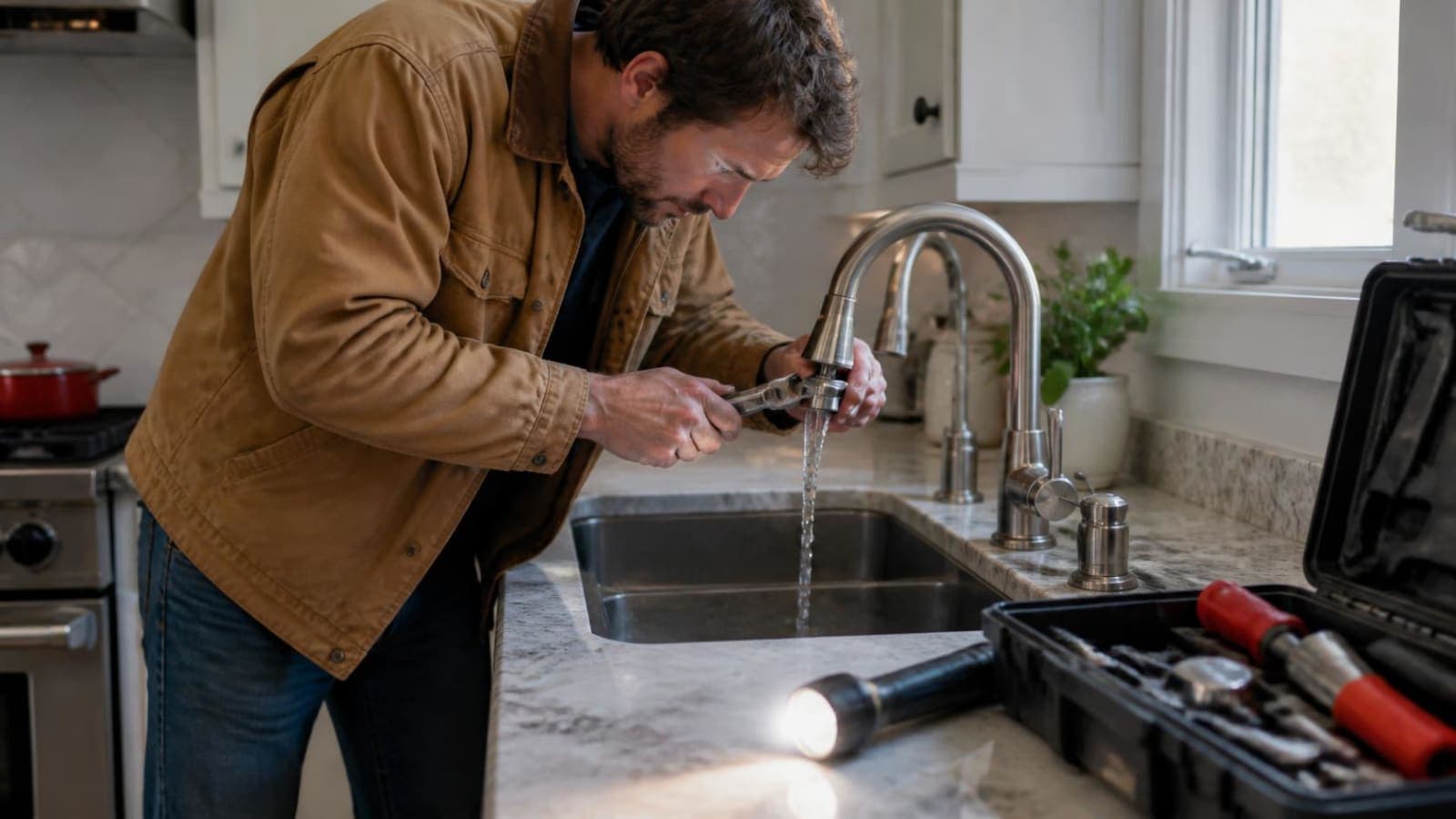
Rental maintenance requests are easiest to handle when you have one simple process: write every request down, fix safety and water problems first, and tell the tenant what happens next. In a shared home, requests arrive from several people, so a loose process turns into confusion fast. This guide shows you how to set one up and what Virginia law says a landlord must keep in working order.
What rental maintenance requests look like in a shared home
When you rent rooms in your house, tenants share the kitchen, the bathrooms and the common areas. That means one broken item can affect everyone, and two tenants might report the same problem in different words.
The requests you will see most often fall into a few groups.
- Safety items. Smoke alarms, locks, loose railings, exposed wiring.
- Water and heat. Leaks, no hot water, a toilet that will not flush, a furnace that will not start.
- Appliances you supply. The refrigerator, the stove, the washer.
- Small fixes. A loose handle, a burnt-out bulb, a sticking door.
- Cleanliness and pests. A pest problem, mold, trash that is not being handled.
Sorting requests into groups like these tells you what to do first.
What Virginia law says you must maintain
You should read the rule yourself, but here is what the Virginia Code says in section 55.1-1220. A landlord must meet building and housing codes that affect health and safety, make repairs needed to keep the unit fit and habitable, and keep shared common areas of multifamily buildings clean and structurally safe. A landlord must also keep working the facilities and appliances the landlord supplies, including electrical, plumbing, heating and air conditioning.
The section also covers mold and utilities. If visible mold is present, the landlord must promptly remediate it, reinspect and give the tenant a summary of the work. The landlord must provide waste containers and arrange for trash removal, and supply running water, reasonable hot water and heat in season. A landlord can certify smoke alarms as present, inspected and working, no more than once every 12 months.
The same section says the landlord and tenant may agree in writing that the tenant handles certain tasks, but only if the agreement is made in good faith and does not reduce the landlord's obligations to other tenants.
Read the full text at Virginia Code 55.1-1220. This is a summary, not legal advice. If a repair duty is unclear, ask a Virginia attorney or a local housing office.
Build a simple process for rental maintenance requests
A process does not need software. It needs consistency. Use these steps.
- Pick one way to receive requests. One phone number, one email or one message thread. Tell every tenant on move-in day.
- Log each request. Write the date, the room or area, a one-line description and a photo if the tenant can send one.
- Sort by urgency. Safety, no water, no heat and active leaks go first. Cosmetic items go last.
- Reply the same day when you can. Even a short message that says you have it and when you plan to act keeps tension low.
- Fix it or book the pro. Use a licensed professional for electrical, gas and major plumbing work.
- Close the loop. Tell the tenant when it is done, and note the date in your log.
Put the process in your house rules so everyone knows how it works. Our guide to house rules for renters covers how to write and share short rules that apply to every tenant.
Who handles what: you and your tenants
Tenants have duties too. Under Virginia Code 55.1-1227, a tenant must keep the part of the unit they occupy as clean and safe as its condition allows, remove trash in a clean and safe manner using the receptacles provided, report moisture, mold and pests promptly, and not damage or remove parts of the premises. A tenant must not tamper with or disable smoke or carbon monoxide alarms.
In a shared home, that means everyone has a part in keeping things working. Ask tenants to report problems early and to tell you if something in a shared space is damaged. Tell them what you will handle and what they are expected to do themselves, such as taking out the trash. Put it in writing and apply it to everyone the same way.
Keep records and keep it fair
Good records protect you and your tenants. Keep a simple log with dates, descriptions, photos and what was done. Keep receipts for parts and contractors. Treat every tenant the same way, with the same response times and the same standards. That consistency also supports your fair housing responsibilities.
If you list rooms on CoRent, listing is free and you keep 95% of rent, with a 5% platform fee on rent collected. There is no booking fee and no management fee. See the fees page and the full walk-through in how to rent rooms in my house on CoRent. You can also read more on the hosts page.
Write down how requests come in, how you sort them and how you close them. Then share it with every tenant. If you are ready to list your rooms, create your free host account.
Frequently asked questions
How fast do I have to respond to a repair request?
Virginia law sets specific duties and notice steps for certain situations, and they can change. Read the current Virginia Code and the state landlord and tenant resources, or ask an attorney. As a practical rule, answer the same day and fix safety and water problems first.
Can I ask tenants to handle small repairs?
The Virginia Code allows a written, good-faith agreement for a tenant to handle certain tasks, as long as it does not reduce your obligations to other tenants. Have an attorney review any such clause.
What if two tenants report the same problem?
Log it once, note both reports, and reply to both. Fix it once. Tell everyone who reported it when it is done.
Ready for the next step?
Create your free host accountMore on CoRent
Sources
List your rooms and keep 95% of the rent
CoRent charges one flat 5% platform fee on rent collected. No booking fee.