
For investors
Duplex vs Renting Rooms: Which House Hack Fits?
Duplex vs renting rooms is a choice between two doors and one door with several rent streams. Here is how privacy, vacancy risk, costs and local rules compare, with an illustrative example.
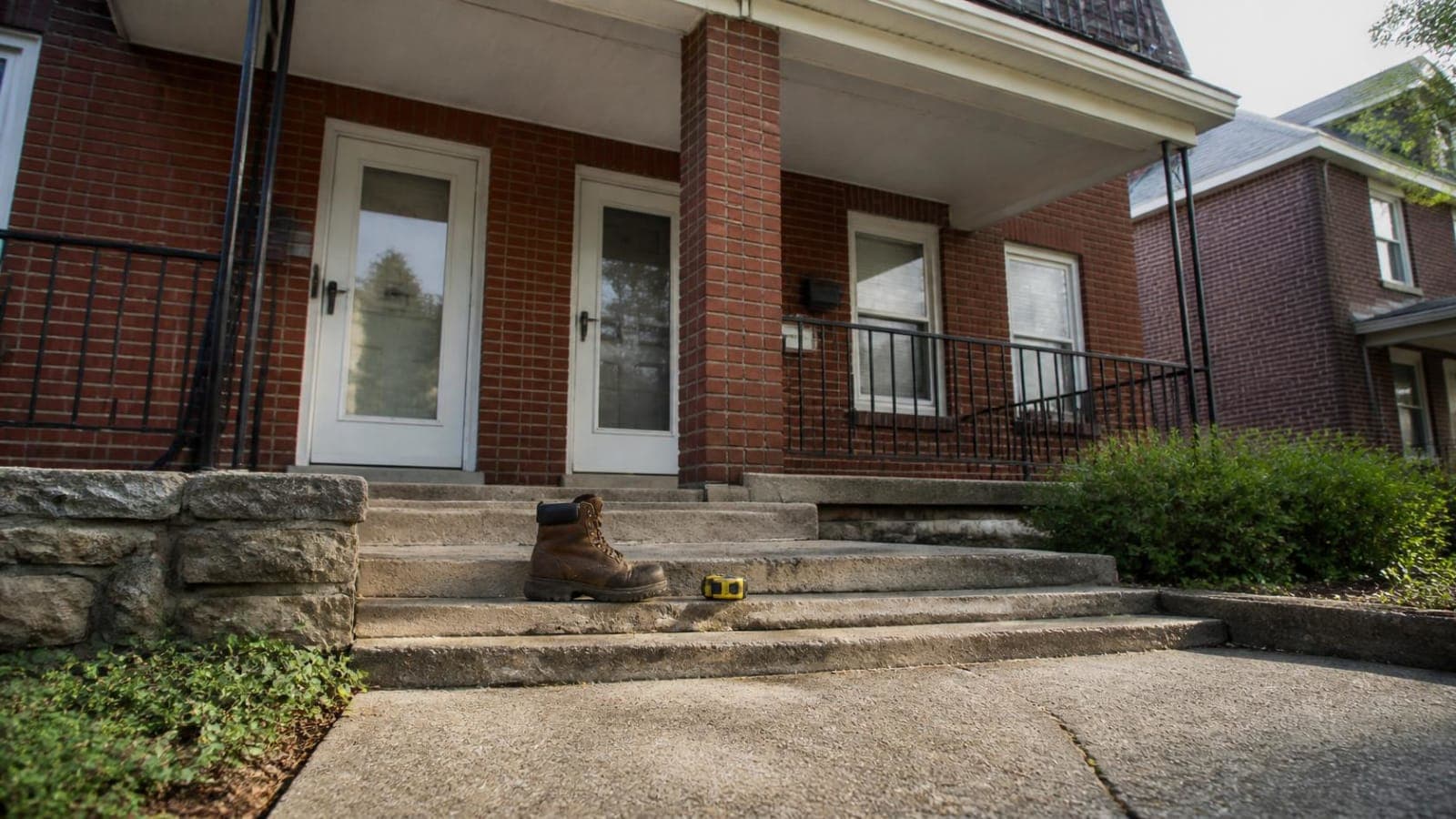
A duplex and a house with rooms rented out can both be a house hack, and the right one depends on your cash, your tolerance for shared living and the rules where you buy. This guide compares duplex vs renting rooms in plain terms so you can decide which structure to run the numbers on first. Returns are not guaranteed, and nothing here is legal, tax or investment advice.
Key takeaways
- A duplex gives you two doors and usually two leases. Renting rooms gives you one door and several rent streams.
- With a duplex, one vacancy can mean half your rental income is gone. With rooms, one vacancy is a smaller slice.
- Rooms mean more tenants, more turnovers and more shared-space rules to manage.
- A duplex usually means more privacy for you and a simpler tenant relationship.
- Run both structures on the same house or on two real listings before you commit to either one.
How do a duplex and a room rental differ?
A duplex is one building with two separate units. You live in one and rent the other, often to a single household on one lease.
Renting rooms means you rent individual bedrooms in one home. Tenants share the kitchen, bathrooms and living areas. Each tenant pays rent for a room, and you set the house rules.
Both structures let you lower your own housing cost with someone else's rent. They just split the risk differently. Our guide to house hacking: four models covers the wider menu, including the duplex and the spare-room versions.
Which structure fits your day-to-day life?
Start with how you want to live, not with the spreadsheet.
A duplex gives you a wall and a front door between you and your tenant. You still handle repairs and rent, but you do not share a kitchen. If you work from home or value quiet, that matters.
Renting rooms puts you in daily contact with housemates. You will set rules on guests, cleaning and noise. Some owners enjoy that. Others find it tiring. Be honest about which one you are.
If you plan to move out later and keep the property, think about that too. A duplex can turn into two rentals with one lease each. A room-rental house can stay a room-rental house, or return to a single lease if you choose. Read renting rooms as a house hack for how that setup works in practice.
What does the math look like for duplex vs renting rooms?
Here is an illustrative example. These are made-up numbers, not a prediction, and you should replace them with real figures from your own listings.
Say a duplex has a unit you rent for $1,400 a month. Say a four-bedroom house rents three rooms at $650 each, which is $1,950 a month, and you keep one room.
Duplex:
- Rent collected: $1,400 a month.
- Income when the unit is vacant: $0.
Four-bedroom house, three rooms rented:
- Rent collected: 3 x $650 = $1,950 a month.
- CoRent platform fee: 5% of rent collected, so $1,950 x 0.05 = $97.50.
- You keep: $1,950 - $97.50 = $1,852.50, before utilities, repairs and other costs.
- Income when one room is vacant: 2 x $650 = $1,300, less 5%, so $1,235.
The room-rental house has more income in this example, but it also has more moving parts. You will turn rooms more often, and you may cover shared utilities. The duplex has steadier, simpler costs but a bigger swing when a vacancy hits.
Hosts keep 95% of rent on CoRent, and there is no booking fee and no management fee. See CoRent fees for the full breakdown. Then compare the cost side in co-living operating costs: utilities, furnishing and turnover.
How does vacancy risk compare?
A duplex has two units. If you live in one, your rental income comes from a single unit, so a vacancy is all or nothing for that income.
A room-rental house spreads rent across several tenants. One move-out removes one slice. You are less likely to see your entire rental income drop to zero at once.
The trade is more turnovers. Each turn means cleaning, photos, listing and showing. If you want to see this cost clearly, track days empty per room, not per house. Our article on rental vacancy per room shows a simple way to do that.
How do the other costs compare?
Think through these before you pick:
- Furnishing. Room rentals often include furniture and basics. A duplex unit is usually rented unfurnished.
- Utilities. With rooms, hosts can let tenants share utilities, paid in the app on top of rent. In a duplex, you may need separate meters or a clear utility agreement.
- Insurance. Policies differ by structure. Ask an agent how each is covered.
- Financing. Lenders look at the property type and your plan to live there. Ask yours how rental income from each structure is counted.
If you are comparing a platform for the room-rental route, the flat 5% fee is simple. PadSplit charges an 8% platform fee plus the first 10 days of rent on each new member or booking. See the numbers on CoRent versus PadSplit.
When does neither structure fit?
Neither option works everywhere. Some neighbourhoods limit how many unrelated people can live in one home. Some lenders have rules on occupancy and unit counts. Some owners find that they do not want tenants in their home at all.
Check these before you buy:
- Zoning and occupancy rules for the exact address. Read room rental zoning: what to ask your city.
- Your lender's rules on owner occupancy and rental income.
- Your own limits on privacy, noise and time.
If you cannot answer these, pause. A good deal on paper is a bad deal if the rules do not let you run it. The Virginia Residential Landlord and Tenant Act sets landlord duties for tenants of every kind. Ask a Virginia attorney how it applies to your plan.
FAQ
Is a duplex or a room rental better for a first house hack?
It depends on your budget, privacy needs and local rules. A duplex is simpler to manage and gives you separation from your tenant. A room-rental house can bring in more rent across several tenants but needs more day-to-day work. Run real numbers on both before you choose.
Which one has lower vacancy risk?
A room-rental house spreads rent across several tenants, so one vacancy is a smaller slice of income. A duplex has fewer units, so a vacancy can remove a larger share. Room rentals also mean more turnovers, so track days empty per room to see your real picture.
Do I pay a platform fee on a duplex?
Not through CoRent unless you list rooms there. On CoRent, hosts keep 95% of rent and the platform fee is 5% of rent collected, with no booking fee and no management fee. A duplex on a standard lease has its own costs, so ask your accountant what applies.
Can I switch from one structure to the other later?
Often yes, but check the rules first. Converting a room-rental house to a single lease is usually simple if the tenants agree. Turning a single-family house into a duplex can need permits and zoning approval. Ask your city and your lender before you plan a conversion.
Where do I run the numbers?
Start with your own rent, cost and vacancy assumptions, then test several outcomes. Use the same inputs for both structures so the comparison is fair. The CoRent investor tools let you model both side by side. Returns are not guaranteed, and a CPA or advisor can help with tax and financing.
Ready to model both options? Try the investor tools and test your own numbers.
Ready for the next step?
Run your numbers with the investor toolsMore on CoRent
Sources
Run the numbers on a rent-by-the-room property
Use the CoRent investor tools to compare room-by-room income with a single-family lease.