
For hosts
How to Reduce Rental Vacancy Between Room Tenants
Here is how to reduce rental vacancy between room tenants: plan the gap before it starts, write a clear listing, reply fast and keep the room ready. Includes example math.
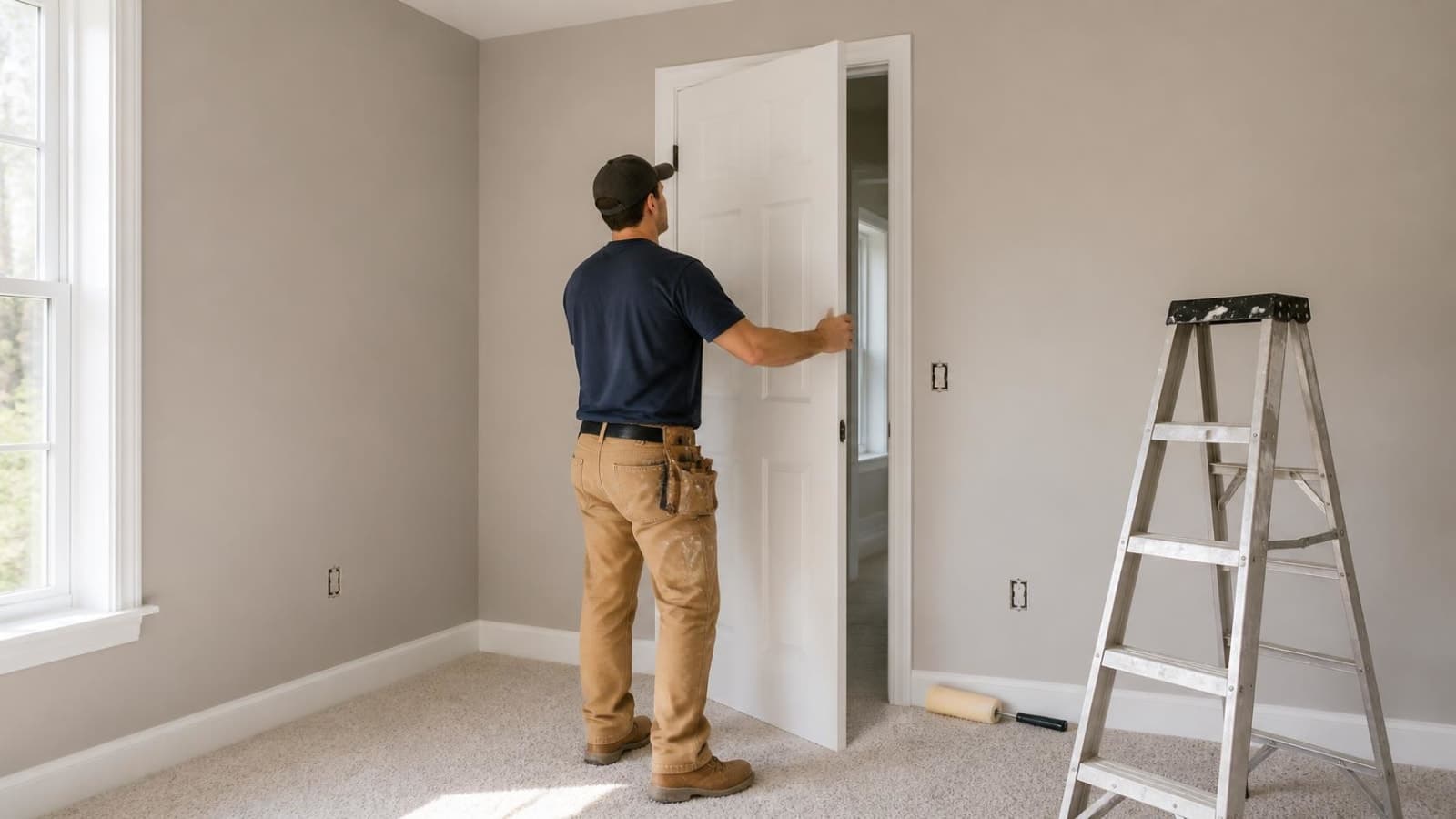
To reduce rental vacancy between room tenants, start working the day a tenant gives notice, not the day they leave. Inspect the room, fix small things, update the listing and answer applicants quickly. This guide gives you a simple plan for each step, with example math. Nothing here is legal or tax advice.
How to reduce rental vacancy: start with the numbers
The U.S. Census Bureau defines the rental vacancy rate as "the proportion of the rental inventory which is vacant for rent." See its housing vacancies definitions. For you, the useful version is smaller: how many days is each of your rooms empty between tenants?
Here is why that number matters. Take the example house on the CoRent host calculator: 7 rooms and $4,550 a month in total rent, or about $650 a room (example numbers). If one room sits empty for ten days, that is roughly $217 of rent not collected, because $650 divided by 30 days is about $21.67 a day. Utilities, taxes and insurance keep running during that gap.
The IRS notes in Publication 527 that you may be able to deduct ordinary and necessary expenses while a rental is vacant, but not the lost rental income. Ask your CPA about your own case.
Five steps to shorten the gap
Step 1: Plan the gap before it starts
Most vacancy is lost in the first week after a tenant leaves, because nobody has started. Make a short turnover checklist and use it every time:
- Note the move-out date the day notice is given.
- Schedule a room walk-through for the day the tenant leaves.
- List anything that needs fixing or cleaning, with a date.
- Update the listing and photos before the room is empty.
- Set a target for the number of days between tenants, and write down the real number each time.
Keep this checklist in one place. If you want a starting point for the rules that stay the same across tenants, see house rules for renters: how to keep a shared home calm.
Step 2: Keep the room ready to rent
A room that needs three small repairs sits longer than one that is ready. After each move-out:
- Clean the room, including closets and under the bed
- Check locks, light bulbs, outlets and window latches
- Patch and touch up paint where needed
- Check anything you provide, such as a bed, desk or dresser
Photos matter. Take new ones after cleaning, in daylight. Show the room as it is. Do not stage a room with items that are not included. For wording, see furnished room for rent: what is included in a shared home.
Step 3: Write a listing that answers questions
Applicants skip listings that leave out basics. Cover these in plain words:
- Rent, and whether it is weekly or monthly
- What the room includes
- Whether utilities and internet are included or split between housemates
- The move-in dates you can offer
- The house rules that matter most
On CoRent, listings show the city and ZIP, and the street address is shared after you confirm a booking. Renters pick a move-in date when they search and apply. Be clear about timing so you attract applicants who can move when your room is ready.
Describe the room, not the person. Never write a listing that says who the room is for or not for based on race, religion, sex, family status, disability, national origin or another protected class. Ask your attorney if you are unsure.
Step 4: Reply fast and screen the same way every time
Good applicants usually have other options. Check new applications daily. On CoRent, renters verify their ID once with a government ID and a selfie match before they can apply, and you review each application and decide whom to approve. A host never sees the renter's ID or selfie.
Speed does not mean skipping steps. Use the same questions and the same standards for every applicant. Write them down. A consistent process protects you and gets you to a decision sooner.
Keep your house calm while it turns over.
A room change affects the whole house. Tell current housemates when a new person is moving in and when the room will be shown, so no one is surprised. A tidy, quiet house also photographs and shows better.
Let rent timing work for you.
CoRent lets renters pay weekly or monthly, by card or bank account. A lower weekly payment can fit more budgets than a large monthly one. That does not guarantee anyone applies, but it gives applicants a choice.
Step 5: Track it and fix the slowest part
After each turn, write down three numbers: days from notice to move-out, days from move-out to the next move-in, and rent lost in the gap. Over a year, you will see where the time goes.
- If the gap is long before you list, your checklist starts too late.
- If listing to application is slow, check price, photos and wording.
- If applications arrive but bookings do not, look at your response time.
A simple weekly routine
Pick one day a week to look at the whole house: open applications, rooms that will be empty soon, repairs in progress and photos that need updating. Fifteen minutes on a schedule beats an hour of panic when two rooms are empty at once.
Hosts keep 95% of rent on CoRent, with a flat 5% fee, no booking fee and no management fee. That makes the rent you collect easier to count. See the fees page, or read how to rent rooms in my house on CoRent for the whole process.
Frequently asked questions
How long should a room stay empty between tenants?
There is no standard number. Track your own days between tenants for a year and aim to shorten the slowest step.
Should I lower the rent to fill a room?
Maybe, but check the listing, photos and response time first. A price cut also lowers every month of rent that follows.
Can CoRent guarantee my room gets filled?
No. Applications depend on your room, price and timing. CoRent lists rooms for free and charges a flat 5% of rent collected.
Ready for the next step?
Create your free host accountMore on CoRent
Sources
List your rooms and keep 95% of the rent
CoRent charges one flat 5% platform fee on rent collected. No booking fee.