For hosts
Landlord Safety Checklist: Smoke Alarms, Locks and More
A landlord safety checklist for a shared home covers smoke alarms, locks, electrical and plumbing, exits and records. Here is a plain list you can use at every turnover.
A landlord safety checklist for a shared home should cover five things: smoke alarms, locks and lighting, electrical and plumbing, exits, and records. Run it before each new tenant moves in and again on a schedule you set. This guide gives you a plain list. It is general information, not legal advice, so ask your attorney and your local code office what applies to your house.
Why a landlord safety checklist matters in a shared home
In a shared home, several adults use the same stairs, kitchen and exits. One missing alarm or one broken lock affects everyone in the house. A checklist turns safety from something you remember into something you do.
Virginia sets baseline duties for landlords. Virginia Code 55.1-1220 says a landlord must comply with applicable building and housing codes materially affecting health and safety, make repairs needed to keep the premises fit and habitable, and keep the electrical, plumbing and sanitary facilities and appliances that the landlord supplies in good and safe working order.
Smoke alarms: your first item
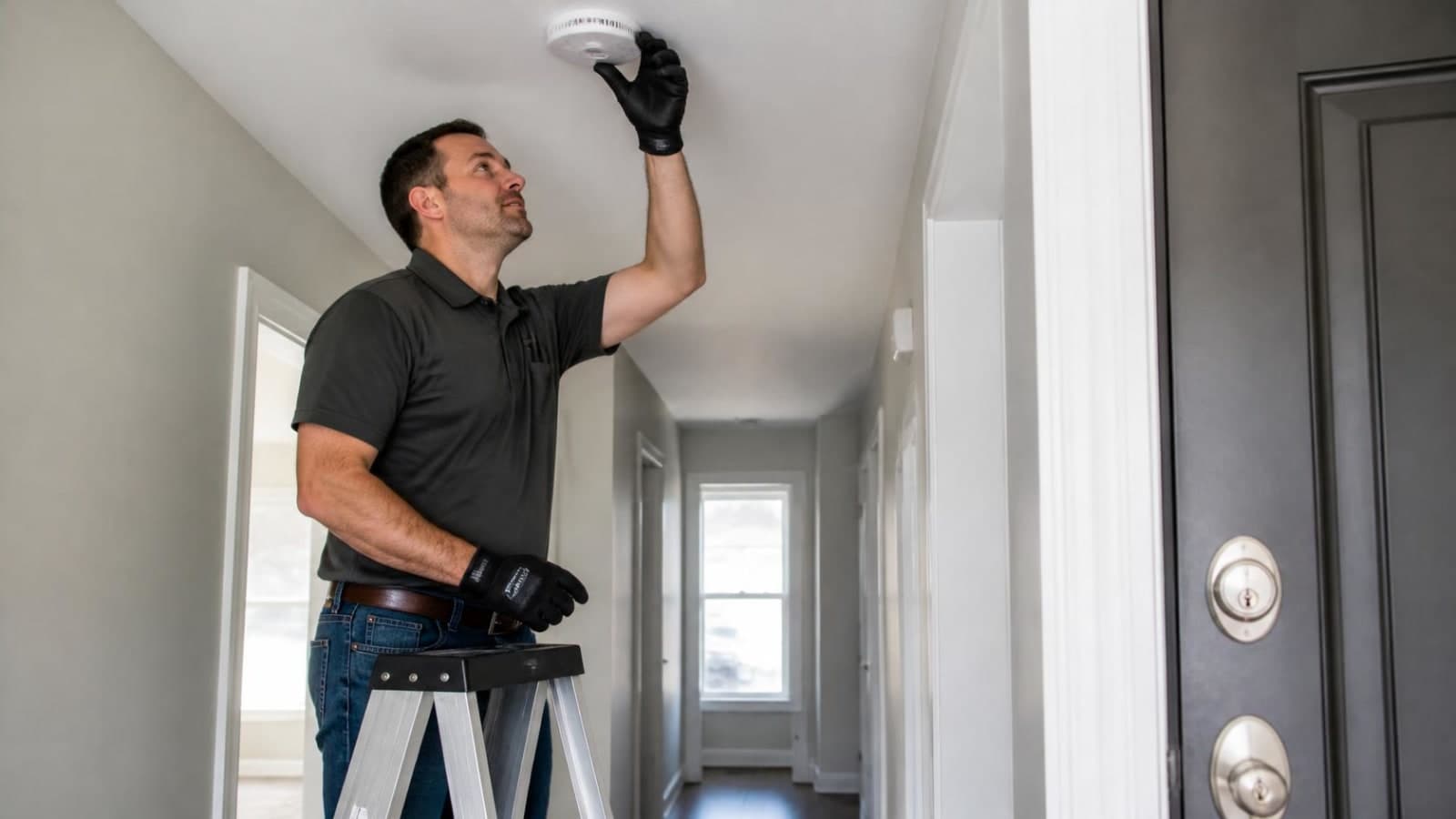
Smoke alarms come first because Virginia law names them directly. The same section says the landlord must give the tenant a certificate, no more than once every 12 months, stating that all smoke alarms are present and have been inspected and are in good working order. You, an employee or an independent contractor may do the inspection.
For placement, the U.S. Fire Administration says to put smoke alarms in every sleeping room, outside each separate sleeping area and on every level of the home, including the basement. See its prepare for fire page. Ask your local fire office to confirm the rules for your house, including whether carbon monoxide alarms are required.
Your alarm checklist:
- Count the sleeping rooms and the levels, then count the alarms.
- Test every alarm with its test button.
- Replace dead batteries and any alarm that fails the test.
- Note the date and who did the check.
- Give each tenant the certificate the law describes, and keep a copy.
Locks, lighting and exits
These are practical items you can check in an hour:
- Exterior doors close and lock without force.
- Room doors and window latches work as the room is described in the listing.
- Entry paths, steps and the porch have working lights.
- Every room has a clear way out. Do not block hallways, stairs or doors with storage.
- Handrails are firm and steps are not broken or loose.
If a lock is changed between tenants, track every key you hand out. CoRent listings show only the city and ZIP, and the street address is shared after a booking is confirmed, so the house is not publicly advertised by address. That helps with privacy. It does not replace working locks.
Electrical, plumbing and the rest of the house
Walk the house room by room with a notepad. Look for:
- Outlets that are warm, cracked or do not hold a plug
- Cords run under rugs or across doorways
- Leaks under sinks, around toilets and below the water heater
- Water stains on ceilings
- Missing cover plates on outlets and switches
- Appliances you supply that do not work as they should
Anything that involves wiring, gas or the main water supply should go to a licensed professional. I am a licensed Class A contractor, and I still call licensed electricians and plumbers for work that needs them. Do not guess with electricity or gas.
Between tenants and during the tenancy
Do the full checklist at every turnover. Between turnovers, build a light routine:
- Check smoke alarms on the schedule you set, and at least once every 12 months for the certificate.
- Ask tenants to report problems early, and respond quickly. CoRent hosts can handle maintenance in the app.
- Walk common areas after any repair.
- Keep the house rules current, and include safety items such as not blocking exits. See house rules for renters: how to keep a shared home calm.
A good turnover also helps you fill the room faster, because a ready room shows better. How to reduce rental vacancy between room tenants has the steps.
Keep records
Write down what you checked, the date and what you fixed. Keep receipts and photos. If a tenant, an inspector or an insurance agent ever asks, you can answer with paper instead of memory. If you use CoRent, applications, payments and maintenance all live in the app, which gives you a single place to look. The whole host process is in how to rent rooms in my house on CoRent, and hosts list free and keep 95% of rent.
A one-page version to print
Keep a short version of this list in the house binder and tick it at each turnover:
- Smoke alarms counted, tested and dated
- Certificate given to the tenant and a copy filed
- Exterior and room locks work, and keys are counted
- Entry, steps and hallways are lit and clear
- Outlets, cords and plumbing checked, with licensed help booked for anything beyond a simple fix
- Notes, photos and receipts saved
If you add a new house, copy the same page. Consistency across houses is what turns a list into a system.
Frequently asked questions
How often do I need to inspect smoke alarms?
Virginia Code 55.1-1220 says a landlord must give the tenant a certificate that alarms are present and in good working order, no more than once every 12 months. Check your local rules with your fire office.
Can I do the safety checks myself?
The statute says the landlord, an employee or an independent contractor may inspect smoke alarms. For electrical, gas and plumbing work, use a licensed professional.
Does CoRent inspect my house?
Nothing on the CoRent site says it does. Owners are responsible for meeting the rules that apply to their property.
Ready for the next step?
Create your free host accountMore on CoRent
Sources
List your rooms and keep 95% of the rent
CoRent charges one flat 5% platform fee on rent collected. No booking fee.