For hosts
Rent Out a Spare Room: A Plain-Language Checklist
Turning an extra bedroom into rental income takes a few checks and some preparation. Here is a plain checklist, from local rules and insurance to the listing, house rules and taxes.
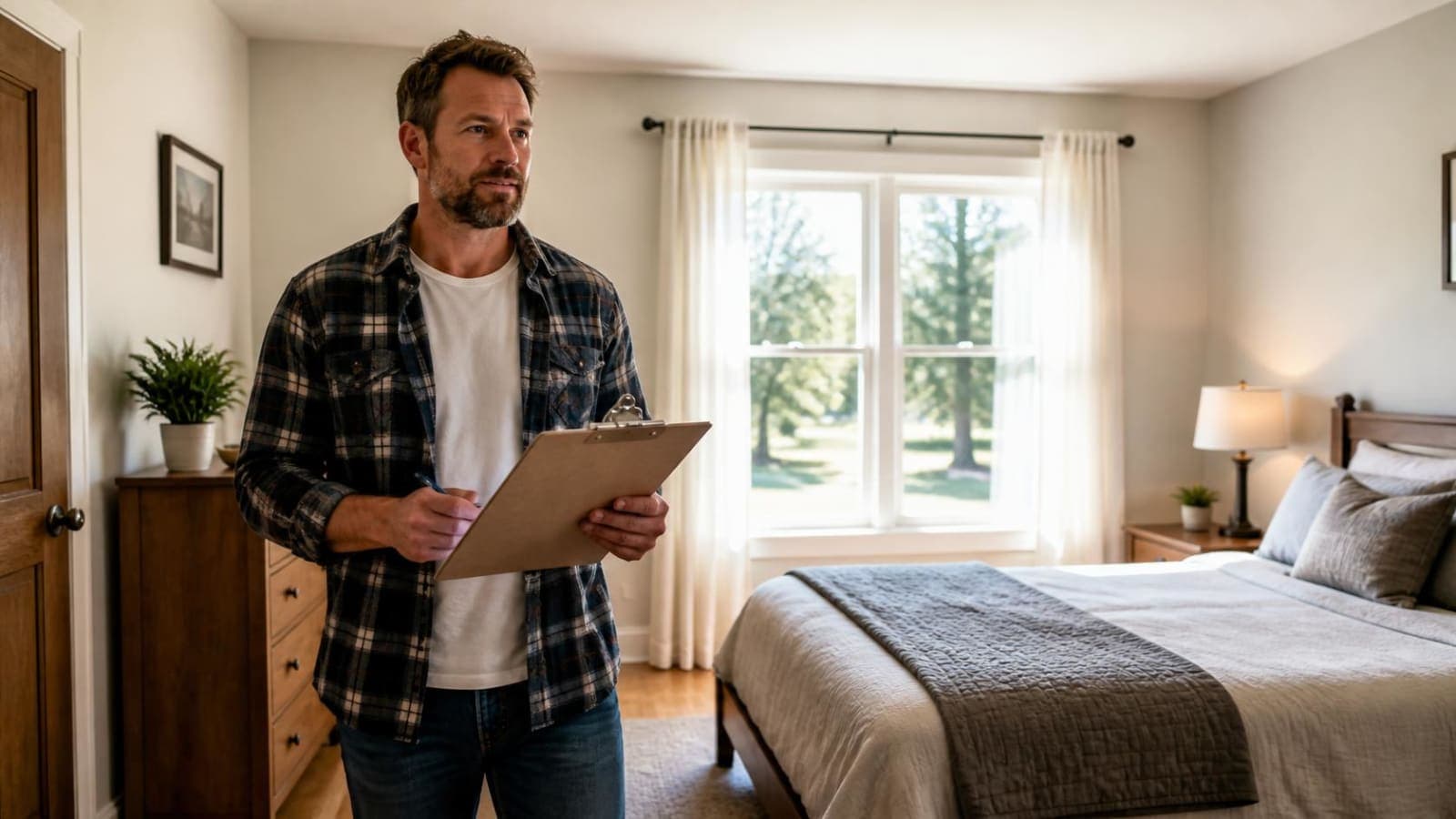
To rent out a spare room, check your local rules and insurance first, then prepare the room, write short house rules, list it and ask a tax professional how the income is treated. That order matters, because the boring parts protect you. This checklist walks through each step in plain language. It is general information, not legal, tax or insurance advice.
Step 1: Check the rules before you rent out a spare room
Rules depend on your city or county, your type of home and your situation. Before you list, find out:
- Zoning and occupancy. Ask your city or county whether there are limits on how many unrelated people can live in a home, or on renting rooms.
- Your lease or mortgage terms. If you rent or have a loan, read what it says about letting someone else live there.
- Homeowners association rules. If your home is in one, ask about rental limits.
- Insurance. Ask your insurance agent how your policy treats a paying tenant in your home.
Do not guess. Call the city, call your agent and keep notes on who you spoke to and what they said. CoRent serves Richmond, Petersburg and Colonial Heights, Virginia, and local rules can differ in each.
Prepare the room and write the rules
Step 2: Prepare the room
A good room is clean, safe and simple. You do not need to make it fancy.
- Safety first. Check smoke alarms and carbon monoxide alarms, working locks on the door and windows, and clear exits.
- Deep clean. Walls, floors, closet and windows.
- Basic furnishings. A bed, a place to store clothes and a place to sit or work, if you will furnish the room.
- Fix small things. Loose handles, burnt-out bulbs and sticking doors.
- Take photos. Take clear daytime photos for the listing, and record the room's condition before a tenant moves in.
If the room has no lock or a poor one, fix that before you list. A tenant will expect to be able to secure their space.
Think about the shared parts of the home too. Your tenant will use the kitchen, a bathroom and maybe a laundry area. Decide which spaces are shared, which shelf or cabinet is theirs and where they can store food. A clear answer on day one prevents small arguments later. Walk through the house as if you were the new tenant, and fix anything you would not want to live with.
Step 3: Set simple house rules
A shared home runs better with short, specific rules that apply to everyone. Cover quiet hours, guests, kitchen and bathroom use, trash and cleaning, smoking and pets. Keep the same rules for every tenant. Our guide to house rules for renters shows what to include and how to share the rules.
List it, get paid and handle the tax side
Step 4: Write a fair, honest listing
Describe the room, not the person. Say the size, what furniture is included, how the bathroom works, what the rent is and when it is available. Do not say who a room is for or who you prefer. Virginia's fair housing law, in Virginia Code 36-96.3, lists the protected classes, and it covers advertising as well as the decision to rent. You can read it at Virginia Code 36-96.3. Treat every applicant the same way, and ask a professional if you are unsure how it applies to you.
Step 5: List the room on CoRent
Here is how it works on CoRent.
- Create a free host account. Hosts list rooms free.
- Add your room. Include photos, the rent and the house details.
- Applicants are ID-verified. Renters verify their ID once with a government ID and a selfie match, and you never see the renter's ID or selfie.
- Confirm the booking. Listings show the area only, and the street address is shared after a booking is confirmed.
- Collect rent. Rent can be paid weekly or monthly, by card or bank account.
You keep 95% of rent, with a 5% platform fee on rent collected. There is no booking fee and no management fee. See the fees page and the full walk-through in how to rent rooms in my house on CoRent. Hosts can also let tenants share utilities, paid in the app on top of rent.
If you live in the home yourself, read house hacking renting rooms for a longer guide.
Step 6: Ask a tax professional about the income
Rent is income, and the rules around it can be detailed. The IRS says in Publication 527 that it covers residential rental property, and it includes a section on renting part of your property. Read IRS Publication 527, then ask a CPA how it applies to you, including how to divide expenses between your own use and the rented room. Keep clear records of rent received, repairs and receipts.
Check the rules, prepare the room and write your house rules. Then create your free host account and list your room.
Frequently asked questions
Do I need to tell my insurance company?
Ask your agent. Policies differ, and you want to know how yours treats a paying tenant before one moves in.
Can I rent out just one room?
Often yes, but local rules, your lease or loan, and any association rules may affect it. Check with the city and read your documents.
What if I have never been a landlord?
Start small, keep the rules short and keep good records. Read the hosts page to see how the process works, and ask professionals when you are unsure.
Ready for the next step?
Create your free host accountMore on CoRent
Sources
List your rooms and keep 95% of the rent
CoRent charges one flat 5% platform fee on rent collected. No booking fee.