For renters
Renters Insurance for Roommates: The Basics
Renters insurance for roommates is often written one person at a time. Here is what a policy usually covers, how to inventory your things and what to ask a licensed agent.

Renters insurance for roommates is a policy that covers your own belongings and some of your liability, and in most cases each roommate needs a separate policy unless the insurer says otherwise. One person's policy does not automatically protect everyone in the house. This guide covers the basics so you can ask the right questions. It is general information, not insurance, legal or financial advice. Talk to a licensed agent about your own situation.
Key takeaways
- A landlord's insurance usually protects the building, not your belongings.
- Renters insurance for roommates is often written one person at a time. Ask your agent whether roommates can share a policy.
- A policy usually has two main parts: coverage for your stuff and coverage for liability.
- Make a list of what you own before you shop. It tells you how much coverage you need.
- Check your agreement for any insurance requirement, and ask your host.
What does renters insurance for roommates cover?
Renters insurance is a policy you buy to protect your own things and to help with some costs if you are held responsible for harm to others. The exact terms depend on the insurer and the policy. Read yours.
Most policies describe a few parts:
- Personal property. Covers loss of your belongings from listed events, such as fire or theft. The list of covered events is in the policy.
- Liability. May help if someone is hurt in your space and you are held responsible, or if you damage another person's property.
- Extra living costs. May help with temporary housing if you cannot live in your room after a covered event.
Policies have limits, deductibles and exclusions. A deductible is what you pay before the insurer pays. Ask your agent to explain each one in plain words.
Does the host's insurance cover your belongings?
Usually not. A host who owns the house typically carries insurance on the building. That coverage is for the owner's property and the owner's risk. It generally does not pay to replace your laptop, clothes or furniture.
Ask your host two questions: what does your insurance cover, and what do you expect me to cover? Get the answer in writing, and read the agreement for any requirement about insurance. If you are unsure what the agreement says, ask before you sign.
Do roommates need separate policies?
In many cases, yes. Insurers often write a policy for one person, or for a group that is related or lives as one household. Unrelated roommates in a shared home are often treated differently. Whether two roommates can be on one policy depends on the insurer and the rules where you live.
Here is why this matters. If you and a housemate share one policy and you are not both named on it, a claim for your belongings might be denied. If one person's policy is the only one in the house, only that person may be protected.
So ask your agent directly:
- Can roommates be named on one policy, or do we each need our own?
- If we each need one, how does liability work between us?
- Does the policy cover my belongings in a locked bedroom and in shared areas?
- Does it cover my belongings when I travel?
Do not guess. A short call with an agent can save a lot of trouble.
A worked example with simple numbers
These numbers are illustrative only. Do not treat them as quotes. Say you want to know how much coverage you might need. Walk through your room and add up what you own.
- Laptop and phone: $1,500
- Clothes and shoes: $1,200
- Bed linens and towels: $200
- Small desk items and a lamp: $150
- Books and other gear: $350
Total: $1,500 + $1,200 + $200 + $150 + $350 = $3,400.
That total is your rough replacement value. Now say your policy has a $500 deductible and you suffer a covered loss of $3,400. The insurer would pay about $3,400 minus $500, which is $2,900, if the policy covers it in full. Real policies have limits and exclusions, so check yours.
The takeaway: a list gives you a number to bring to an agent, and a number lets you compare policies.
How do you make an inventory?
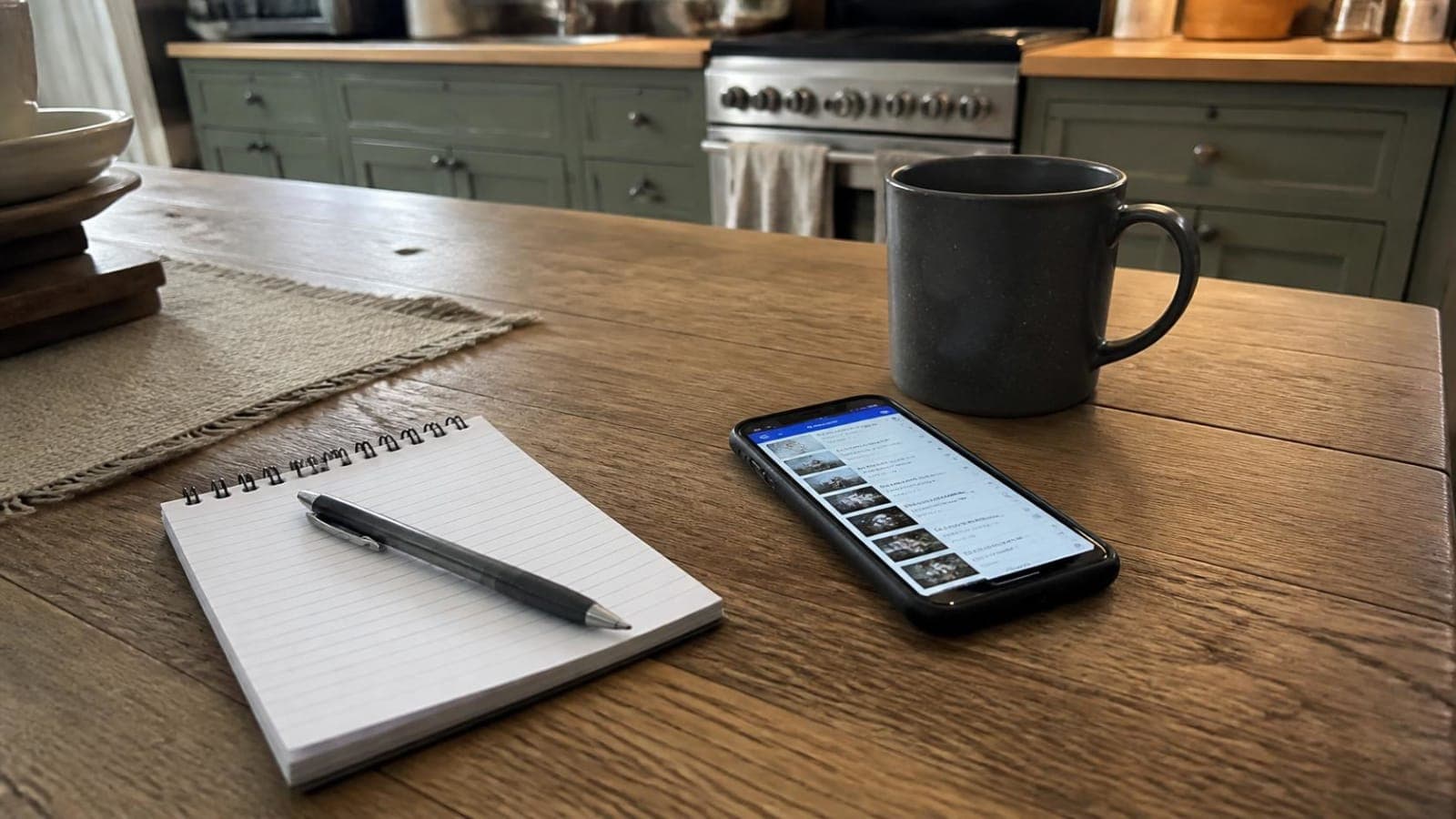
You do not need a fancy tool. A phone is enough.
- Walk through your room and photograph each item.
- Photograph serial numbers on electronics.
- Write a list with the item and a rough value.
- Save the list and photos somewhere other than the house, such as online storage.
- Update it when you buy something big.
That record helps with a claim and helps you decide how much coverage to buy.
What questions should you ask before you buy?
- What is covered, and what is excluded?
- How much is the deductible?
- Is coverage based on replacement cost or on current value?
- Does liability coverage apply if a guest is hurt?
- Does the policy cover items stored elsewhere?
- What happens if my housemate moves out?
Compare quotes from more than one insurer. Prices and terms differ. Ask a licensed agent if anything is unclear.
When this advice does not apply
Policies and rules differ, and this guide cannot tell you what your policy covers. If you have unusual items, such as expensive equipment, ask your agent about special coverage. If your agreement requires a specific kind of coverage, follow the agreement and ask the host for details.
If you have a legal question about responsibility for damage, talk to an attorney or contact Virginia Legal Aid. For general information on tenant rights in Virginia, see HUD's page on tenant rights.
How does this fit with living in a shared home?
A shared home runs better when everyone is clear on who is responsible for what. Insurance is part of that. Read living with roommates tips for how to talk through shared costs and rules. If you are still planning your move, budget for renting a room shows where an insurance line might fit.
Some tips for the house conversation:
- Tell housemates you carry a policy, and ask whether they do.
- Agree on who pays for shared items, such as a TV in the living room.
- Keep a record of shared purchases.
- Follow house rules about anything that raises risk, such as space heaters or candles.
On CoRent, rent can be paid weekly or monthly, by card or bank account. A processing fee applies to each rent payment, and it is shown at checkout. See the fees page for how payments work.
FAQ
Does my host's insurance cover my belongings?
Usually not. A host's policy typically covers the building and the host's own risk, not a tenant's things. Ask the host what their policy covers and whether the agreement requires you to carry your own. Then confirm details with a licensed insurance agent.
Can two roommates share one renters insurance policy?
It depends on the insurer. Some allow named roommates on one policy and many write separate policies. If only one person is named, others may not be covered. Ask an agent directly, and get the answer in writing before you rely on it.
How much coverage do I need?
Start by listing what you own and adding up the replacement cost. That total is a starting point to discuss with an agent. Also ask about the deductible and about liability coverage, since both change what a policy is worth.
Do I need insurance to rent a room on CoRent?
Signing up is free and there is no application fee. Whether you need insurance depends on your agreement, so read it and ask your host. Do not assume either way, and confirm any requirement in writing.
Make your list, ask your agent the questions and keep your records. When you are ready, browse rooms for rent.