For renters
Splitting Groceries With Roommates: 3 Simple Systems
Three ways of splitting groceries with roommates: separate food, shared staples or a shared budget. Compare them with a worked example and a short house agreement to copy.
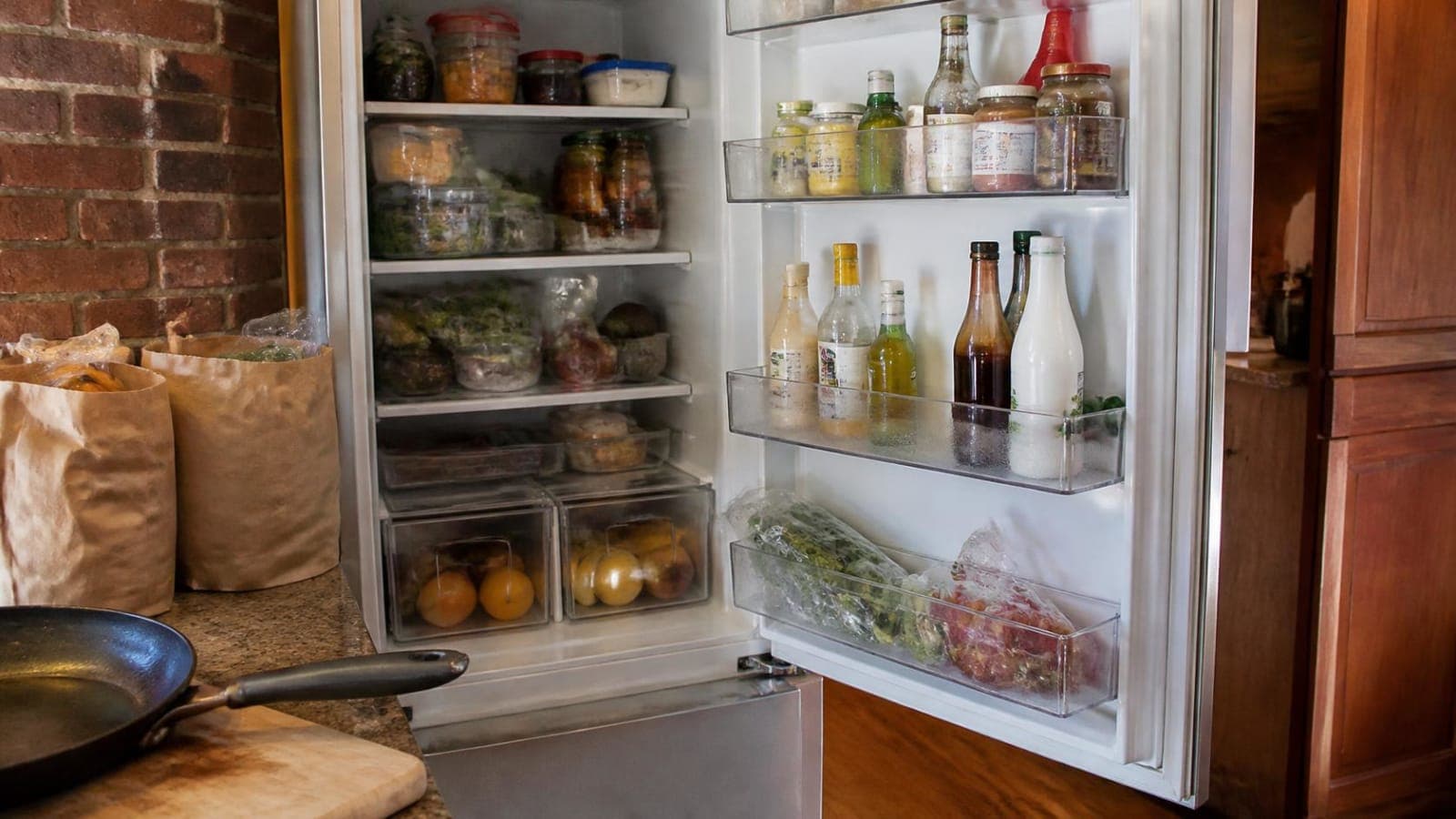
Splitting groceries with roommates is easiest when you pick one system, write it down and review it after a month. The three common systems are fully separate food, a shared staples fund and a full shared grocery budget. Which one fits depends on your schedules, tastes and budgets. This guide compares them with simple examples.
Key takeaways
- Choose one system in your first week. Do not leave it to chance.
- Separate shelves are the lowest-friction way to start.
- A shared staples fund works well for things everyone uses, such as oil, salt and cleaning supplies.
- A full shared budget needs trust and similar eating habits.
- Review the system after a month and change what is not working.
What are the ways of splitting groceries with roommates?
There are three main ways. Each has costs and benefits.
- Separate food. Everyone buys and stores their own. Simple, no math, and no arguments over who ate what, as long as labels are respected.
- Shared staples. Everyone buys their own meals, and the house splits staples such as cooking oil, spices, coffee and cleaning supplies.
- Full shared grocery run. The house buys food together and splits the bill.
Start with the simplest option that fits the house. You can always move to a more shared system later.
Which system fits your house?
Ask three questions.
- Do your schedules overlap, or do you rarely cook at the same time?
- Do you eat similar foods, or very different ones?
- Do you want to spend about the same, or do budgets differ a lot?
If schedules and tastes differ, go with separate food or staples only. If you all like to cook together and spend about the same, a shared budget can save money and time.
Your host may also have kitchen rules in the agreement or the house rules. The guide to house rules in a shared home covers kitchen topics. Respect them first.
A worked example with simple numbers
These numbers are illustrative only. Say three roommates compare two systems for a month.
System A, shared staples fund. Staples cost $30 for the month. $30 divided by 3 is $10 each. Each person buys their own meals.
System B, full shared grocery budget. The house spends $360 in the month on shared food. $360 divided by 3 is $120 each.
Now say one roommate is away for ten days and eats at home much less. Under System B they still pay $120 even though they ate less. A fairer version adjusts for days away. Say they were away 10 of 30 days. Their share could be reduced by one third, which is $40, so they pay $80. The other two split the remaining cost.
The lesson is that a shared budget needs a rule for guests and absences. Agree on it before you start.
How do you keep track without fighting?
You do not need special software. A shared note works.
- Write each purchase with the date, the item and the cost.
- Settle up once a month on a set day.
- Keep receipts for large purchases, or take a photo.
- Use a payment method you can show later.
Settling monthly keeps small amounts from piling up. If you are building a larger budget for your move, budget for renting a room shows where a food line belongs.
What rules prevent the most fights?
Most grocery fights are about the same few issues. Decide on each early.
- Labels. Mark your food, and agree that unlabeled shared items are fair to use.
- Shelves. Give each person a shelf in the fridge and a spot in the pantry.
- Guests. Agree whether guests may use shared food.
- Replacing items. If you finish something shared, replace it.
- Dishes. Clean up after you cook, the same day.
- Expired food. Check the fridge weekly, and throw out what is clearly spoiled.
Short, clear rules work better than long ones. Post them in the kitchen or the house chat.
Fair housing rules matter here too. House rules should apply equally to everyone and should not single out a housemate for who they are. The HUD fair housing page explains the basics. If you eat differently from your housemates for any reason, separate shelves make everyone's life easier.
What about utilities and the kitchen?
Groceries are one cost. Utilities are another. Some hosts include utilities in the rent. Others let tenants share utilities, paid in the app on top of rent. Ask how it works so you do not mix up food costs with bills.
Rent on CoRent can be paid weekly or monthly, by card or bank account. A processing fee applies to each rent payment, and it is shown at checkout. The processing fee is waived when you pay a full month by bank account. See the fees page for details. The guide to paying rent with a bank account explains the steps.
When this advice does not apply
Some houses are strict about food, and some hosts provide basics. If your host runs the kitchen differently, follow the host's rules and your agreement. If you have an allergy or a health need, tell your housemates and keep your food separate. If you ever feel pressured about money or food, talk to your host.
For more help on getting along, read living with roommates tips. If a dispute is about money you think you owe, or are owed, and it grows serious, Virginia Legal Aid may help point you to resources.
A simple house agreement you can copy
Write these five lines and have everyone agree.
- We use [separate food / shared staples / shared budget].
- Each person has a labeled shelf.
- We settle shared costs on the first of each month.
- Guests may not use shared food without asking.
- We review this plan in one month.
Keep it short. If something changes, update it and tell everyone.
How do you move from one system to another?
Systems change as houses change. If someone moves out, a new roommate moves in, or work schedules shift, review the plan.
- Ask each person what is working and what is not.
- Change only one thing at a time.
- Give the new system a month before judging it.
- Write the change down.
New housemates should be told the plan on day one. The move-in checklist is a good place to add the kitchen talk.
FAQ
Is it better to split groceries or buy separately?
Neither is always better. Separate food is simplest and works when tastes and schedules differ. Splitting works when housemates cook together and spend about the same. Start simple, then change after a month if needed.
How do we handle a roommate who eats more?
Agree on a rule before it becomes a problem. A shared budget can adjust for days away or heavy use, or you can keep food separate and split only staples. Talk calmly and decide together.
What should be shared and what should be separate?
Items everyone uses, such as oil, salt, cleaning products and toilet paper, are good to share. Personal meals, snacks and special diets are better kept separate. Write down which items fall in each group.
What if someone keeps using my food?
Label it, use your own shelf and say something once, calmly. If it continues, raise it at a house meeting or tell your host. Keep messages polite and in writing so everyone remembers the plan.
Pick a system, write it down and review it after a month. When you are ready, browse rooms for rent.