For hosts
Turnover Cleaning Checklist Between Room Tenants
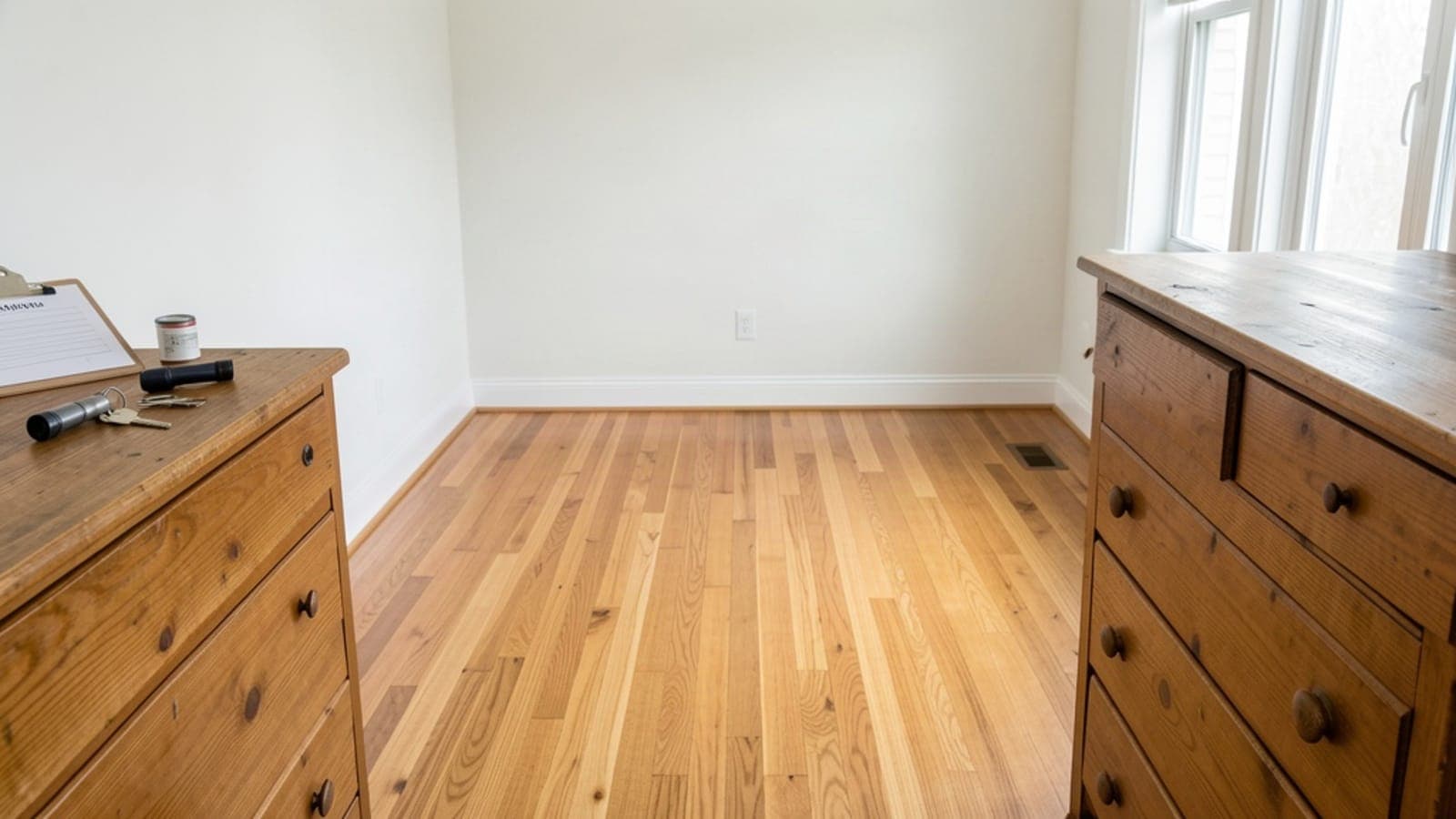
A turnover cleaning checklist keeps every room change the same: photograph, clear out, clean top to bottom, test safety items and log it. Here is a full list for hosts.
A turnover cleaning checklist is a fixed list of tasks you run through every time a tenant moves out, so the room is clean, safe and documented before the next person moves in. Work in the same order each time: walk and photograph, clear out, deep clean, check and fix, then photograph again. A routine keeps the gap between tenants short and keeps your records consistent.
This is general information, not legal advice.
Key takeaways
- Start with a walk-through and photos before you touch anything, so you have a record of the room as it was left.
- Clean from top to bottom and from the back of the room toward the door.
- Test the safety items every turnover: smoke alarm, door lock and windows.
- Keep each turnover in a log with dates, tasks and receipts.
- A faster turnover means fewer empty days, but never skip the safety checks to save time.
What is a turnover cleaning checklist, and why use one?
Turnover is the stretch between one tenant leaving and the next arriving. A checklist makes the job the same every time, so nothing gets forgotten and nothing depends on your memory on a busy day.
It also helps you in a dispute. If you can show dated photos and a signed list of what you did, you can explain the condition of the room. If you are filling rooms often, see how to reduce rental vacancy between tenants for ways to shorten the gap.
What do you do before you clean?
Do these steps first, while the room still shows how the tenant left it.
- Do the move-out walk-through with the tenant if you can, and compare the room with the move-in report.
- Take dated photos of every wall, the floor, the furniture, the closet and the bathroom.
- Note any damage in writing, with the date.
- Collect keys and any remotes, and confirm in writing that the tenant has left.
- Remove anything the tenant left behind, following your agreement and Virginia law. Ask an attorney how to handle belongings left in the room.
If a deposit is involved, do not start deducting yet. Read ending a room rental agreement in Virginia for the basics, and keep your photos safe. Our move-in checklist shows the starting condition you compare against.
What goes on the cleaning list?
Work from the ceiling down and from the far wall toward the door, so dirt falls onto surfaces you have not cleaned yet.
- Ceiling and walls: Dust corners and vents. Wipe scuffs and spot-clean marks.
- Windows and blinds: Wipe glass and sills, and dust the blinds or wash the curtains.
- Furniture: Wipe every surface, empty and wipe the drawers and clean under the bed.
- Mattress and bedding: Replace or wash bedding. Vacuum the mattress and check the cover.
- Closet: Wipe the shelves and rod, and clear the floor.
- Floors: Vacuum, then mop hard floors. Clean carpets if there are stains.
- Light fixtures and switches: Wipe plates and replace dead bulbs.
- Bathroom: Scrub the sink, toilet, tub or shower and mirror. Restock supplies you provide.
- Shared spaces: Wipe the kitchen surfaces the tenant used, clean the fridge shelf and sweep shared floors.
- Trash: Empty bins and take everything out.
Use fresh cloths and clean tools in each room. Do not use the same rag in the bathroom and the kitchen.
What should you check and fix before the next tenant?
A clean room is not a ready room. After cleaning, check these items.
- Test the bedroom door lock and the exterior door locks.
- Test the smoke alarm and replace the battery if needed. The NFPA smoke alarm page explains where alarms belong and how often to test.
- Check any carbon monoxide alarm the house has. The CPSC carbon monoxide page gives general safety information.
- Open and close each window and check the latches.
- Check outlets, lights and the heating and cooling.
- Fix small items: a loose handle, a dripping tap, a scuffed wall.
Then take a second set of dated photos. Keep both sets together. Our maintenance requests guide shows how to track repairs.
How much does a slow turnover cost? A worked example
Here is an illustrative example with made-up numbers. Say a room rents for $600 a month. A rough daily figure is $600 x 12 months divided by 365 days, which is about $20 a day.
- Turnover A: The room is ready in 2 days. The empty cost is 2 x $20 = $40.
- Turnover B: The room is ready in 5 days, because cleaning and repairs get put off. The empty cost is 5 x $20 = $100.
The difference is $100 minus $40, or $60 for one turnover. If you hire a cleaner for $90, you would compare that against both your own time and the days saved.
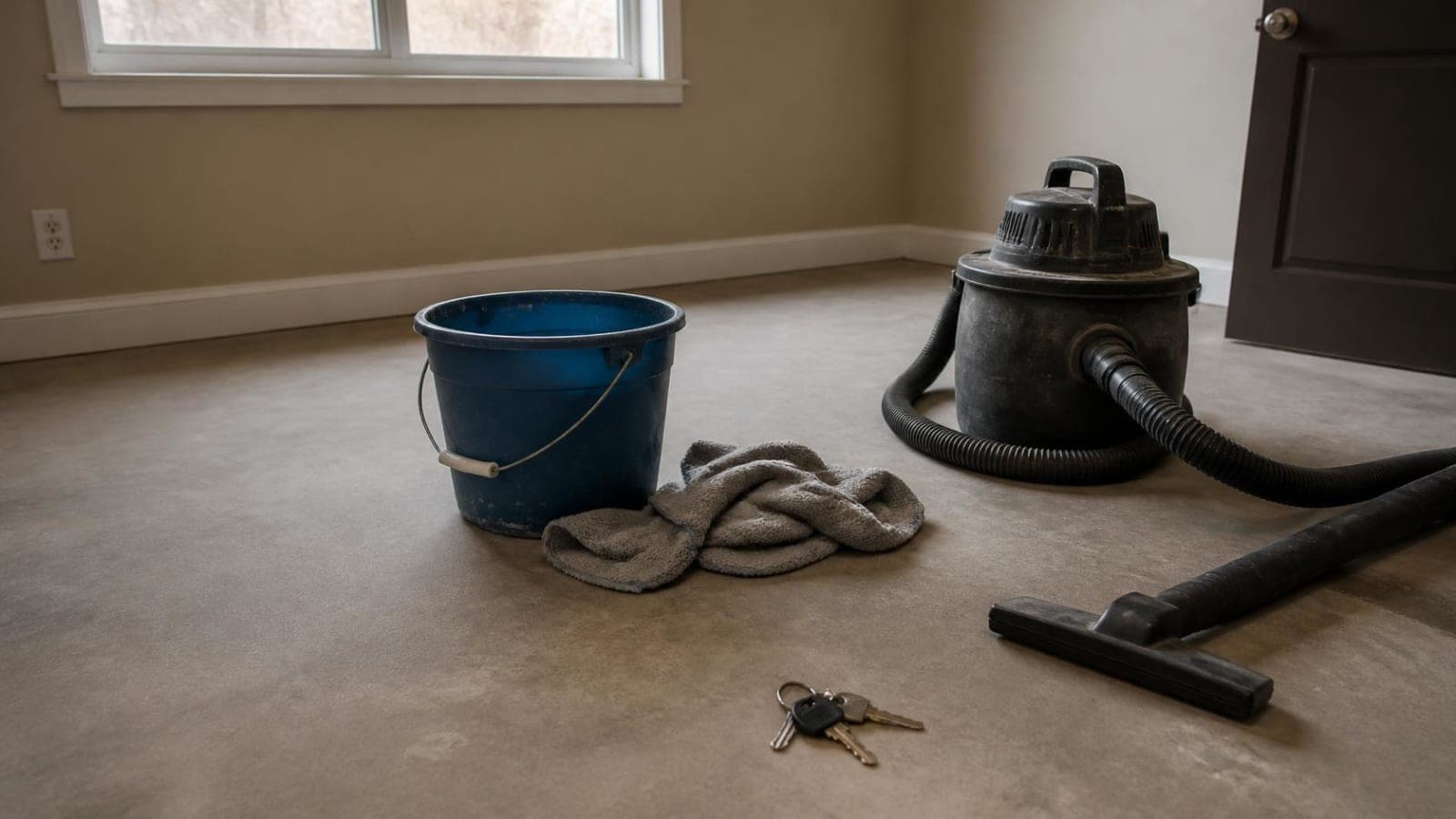
Your numbers will differ. The point is that a checklist and a supplies kit kept ready cut the idle days. Keep rags, a vacuum, bulbs, batteries and basic tools in the house, so you do not wait on a store trip. When the room does rent, hosts keep 95% of rent after the 5% platform fee on rent collected.
What are the risks, and when does this not apply?
- Skipping the safety checks. A dead smoke alarm or a broken lock is a serious problem. Test them every time.
- Leftover belongings. Virginia has rules on what a landlord can do with property a tenant leaves. Ask an attorney before you throw anything away.
- Poor records. Without dated photos and notes, you cannot support a deduction or explain the room's condition.
- Chemical safety. Follow the labels, ventilate and never mix cleaning products.
- Fair treatment. Use the same standard and the same checklist for every room. See the HUD fair housing page.
If the room needs major work, such as mold, water damage or electrical repairs, a cleaning list is not enough. Bring in a qualified professional.
FAQ
How long should a turnover take?
It depends on the room and the repairs needed. A clean, lightly used room may take a few hours. A room with damage can take days. Set a target in your checklist, and plan repairs the same day you find them.
Should I clean the room myself or hire someone?
Either works. Doing it yourself costs time, and hiring costs money. Compare both against the cost of empty days, as in the example. Whoever cleans, use the same written checklist and check the safety items yourself. Check your own agreement and the current law, and ask a Virginia attorney if you are unsure.
Do I need photos at turnover?
Yes, they are one of the best records you can have. Take dated photos before you clean and again when the room is ready. Keep them with the move-in report, the deposit records and any receipts for repairs. Check your own agreement and the current law, and ask a Virginia attorney if you are unsure.
What do I do with items the tenant left behind?
Do not throw them out right away. Virginia has rules on a tenant's property left after move-out. Check your written agreement, photograph the items and ask an attorney what notice you must give before you remove them. Check your own agreement and the current law, and ask a Virginia attorney if you are unsure.
Ready for your next tenant?
Print the list, keep a supplies kit in the house and log each turnover. Hosts list free on CoRent and keep 95% of rent after the 5% platform fee on rent collected. Create your free host account to fill your next room, or see how fees work.